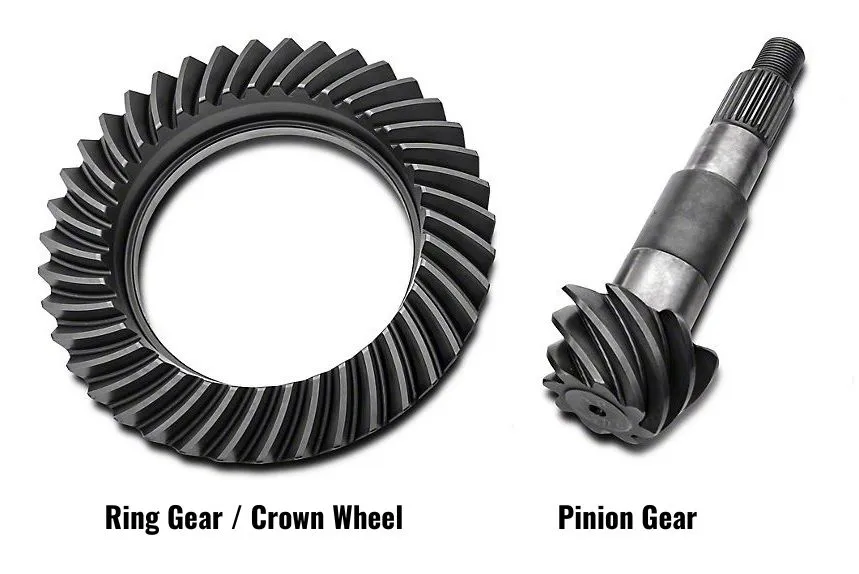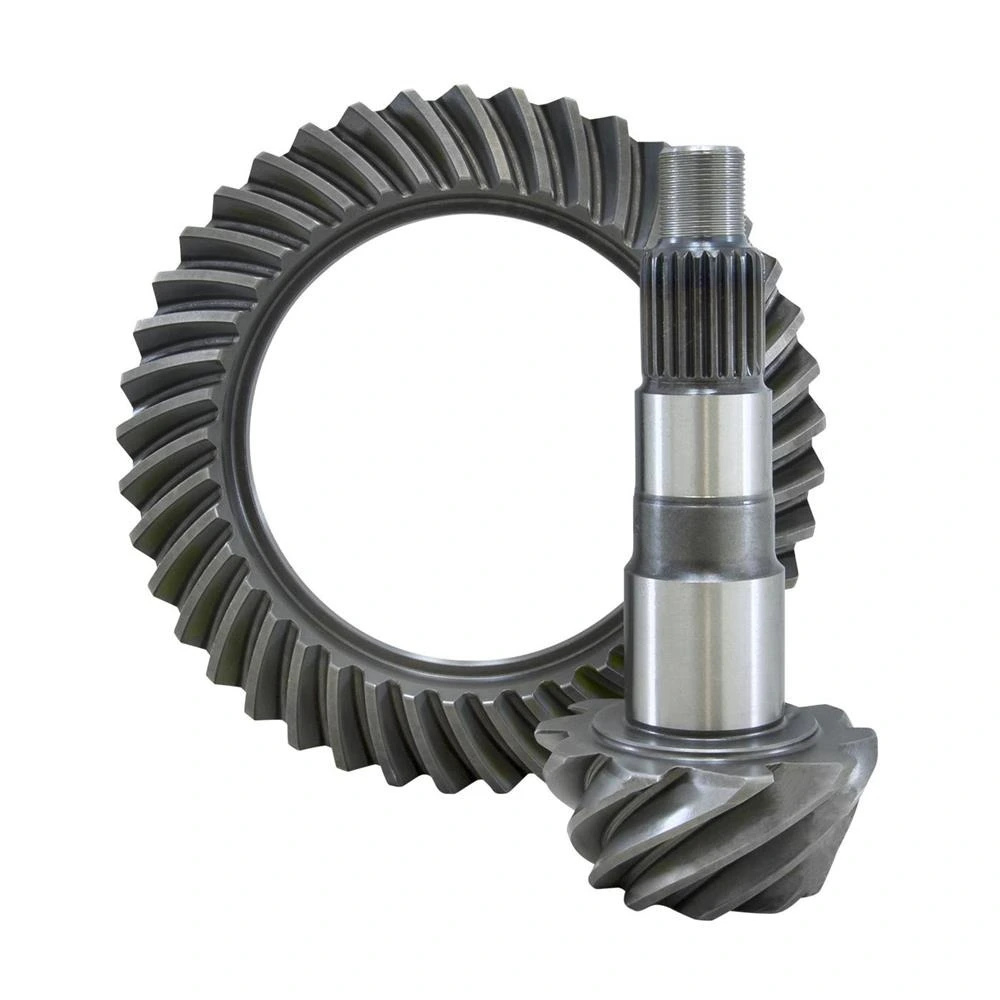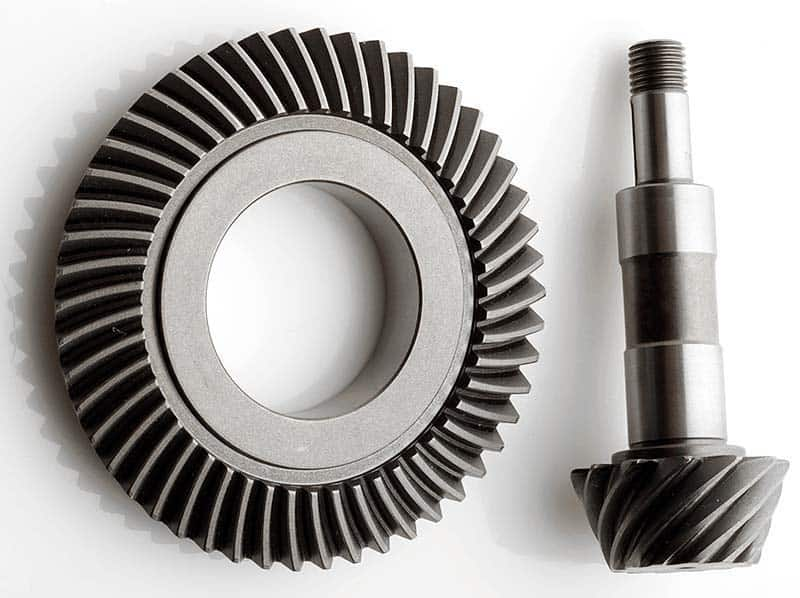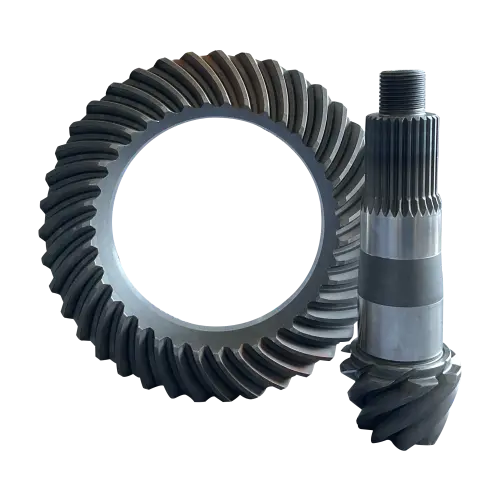
Understanding the Basics: What Is a Ring and Pinion?
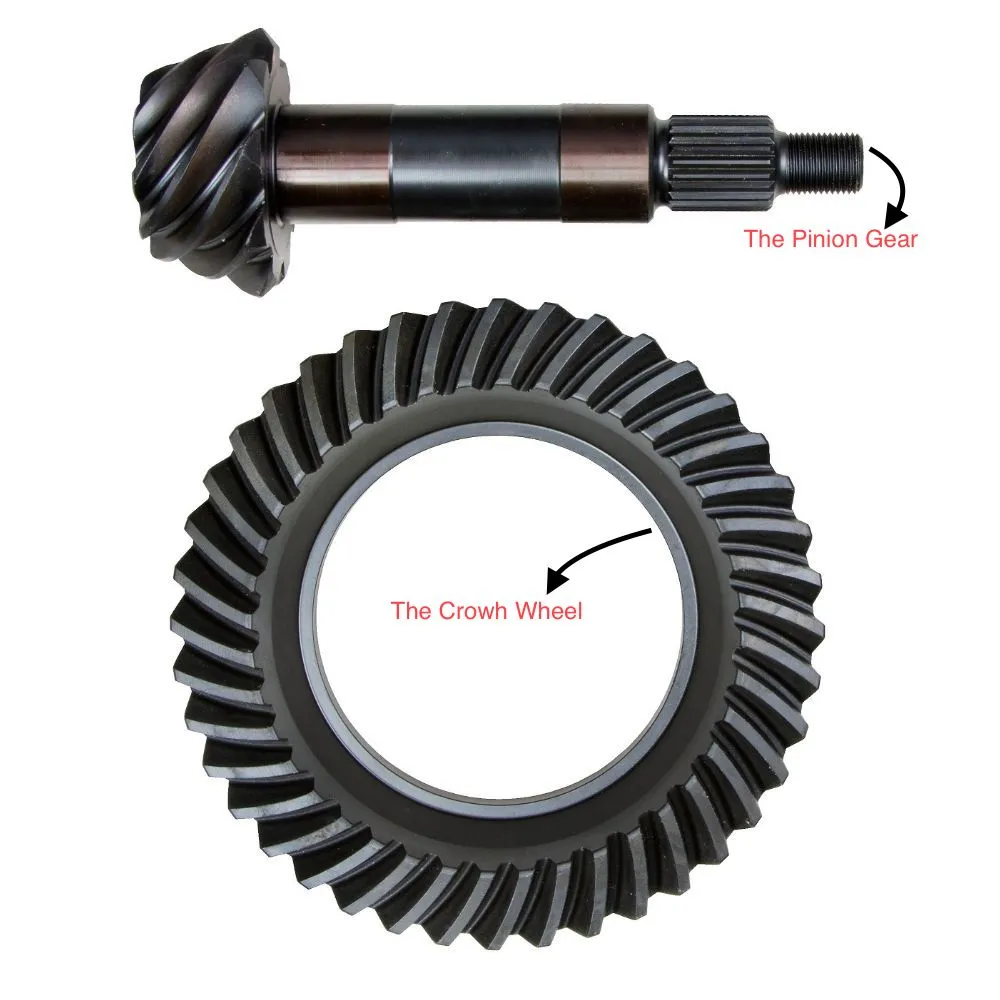
What is Crown Wheel Pinion?
Learn what a crown wheel pinion is, how it works in vehicle differentials, and why proper installation and maintenance matter for performance.
Dana 44 Ring and Pinion: Who It Is Built For
Key characteristics:
- Ring gear diameter of approximately 8.5 inches
- Available in 30-spline axle shaft configuration as standard (upgrades to 35-spline exist)
- Gear ratios commonly ranging from 3.07:1 up to 5.89:1
- Found in a wide variety of factory applications, from Jeep TJs and JKs to older Ford and GM trucks
Advantages:
- Lighter than a Dana 60, which reduces unsprung weight and benefits ride quality and handling
- Parts availability is exceptional — ring and pinion sets, carriers, and lockers are easy to source at competitive prices
- A large builder community means installation knowledge and technical support are widely accessible
- More affordable to build and maintain than a full Dana 60 setup
Limitations:
- Not well-suited to sustained extreme stress, particularly with tires larger than 37 inches in a hard-wheeling application
- Higher horsepower builds and aggressive locking differentials can push the ring and pinion toward its limits over time
- Different Dana 44 variants (Jeep, Ford, GM) are not always cross-compatible, which requires careful parts matching
Dana 60 Ring and Pinion: When You Need More
Key characteristics:
- Ring gear diameter of approximately 9.75 inches
- Standard 35-spline axle shafts, with options to upgrade further
- Gear ratios commonly ranging from 3.07:1 to 5.38:1
- Factory fitment in 3/4-ton and 1-ton trucks from Ford, GM, Dodge, and others
Advantages:
- Significantly greater torque capacity — the larger ring and pinion absorbs stress that would eventually damage a Dana 44 under similar conditions
- Better suited to tires 40 inches and above, high-output engines, and aggressive full-time off-road use
- Built-in strength margin makes it the preferred platform for rock crawlers, expedition rigs, and heavy-duty tow vehicles
- Robust axle shaft diameter reduces the risk of shaft breakage under extreme lateral and torsional loads
Limitations:
- Heavier than a Dana 44, which increases unsprung weight and can affect ride quality and steering feel
- Physically larger, which may create clearance or fitment challenges depending on the vehicle
- Higher overall build cost, including the axle housing, ring and pinion set, locker, and installation labor
Side-by-Side Comparison: Dana 44 vs Dana 60 Ring and Pinion
| Specification | Dana 44 | Dana 60 |
|---|---|---|
|
Ring Gear Diameter |
~8.5 inches |
~9.75 inches |
|
Typical Pinion Diameter |
~1.41 inches |
~1.625 inches |
|
Common Gear Ratio Range |
3.07:1 to 5.89:1 |
3.07:1 to 5.38:1 |
|
Typical Axle Shaft Diameter |
1.31 inches (30 spline) |
1.50 inches (35 spline) |
|
Recommended Max Tire Size |
Up to 37 inches (moderate use) |
40 inches and beyond |
|
Best Application |
Light to moderate off-road, daily driving |
Heavy off-road, towing, extreme builds |
|
Weight |
Lighter |
Heavier |
|
Part Availability |
Very high |
High |
|
Relative Cost |
More affordable |
More affordable |
These are general figures that can vary depending on the specific variant, year, and manufacturer. Always confirm specifications for your exact axle housing before ordering a ring and pinion set.
Choosing the Right Gear Ratio for Your Application
As a practical starting point, many builders follow this general tire-to-gear ratio guidance:
- 33-inch tires with a stock axle: 3.73:1 or 4.10:1 typically provides a good street/trail balance
- 35-inch tires: 4.56:1 is a common choice for Jeep Wranglers and similar platforms
- 37-inch tires: 4.88:1 or 5.13:1 is worth considering, especially with a larger displacement engine
- 40-inch tires and above (typically Dana 60 territory): 5.13:1 or even numerically higher ratios become appropriate depending on the build
These numbers are starting points, not rules. Your specific transmission, transfer case crawl ratio, intended use, and driving habits all influence the final decision. If you want to work through the numbers before committing to a ratio, this gear ratio calculator is a useful tool for understanding how different combinations interact. Working with someone who builds or supplies ring and pinion sets regularly is still the most reliable way to confirm the right ratio for your specific combination.
Common Mistakes When Setting Up a Ring and Pinion
Which One Is Right for You?
Choose a Dana 44 ring and pinion if:
- Your vehicle is a daily driver or weekend trail rig that does not face sustained extreme stress
- You are running tires in the 33-to-37-inch range
- Budget and parts availability are important factors in your build
- You want a lighter setup that is easier to maintain and source components for
- Your engine output is moderate and you are not running a full-time locking differential under hard conditions
Choose a Dana 60 ring and pinion if:
- Your build involves tires 40 inches or larger
- You are building a dedicated rock crawler, expedition rig, or heavy-duty tow vehicle
- You are running a high-output engine, particularly a diesel, and need the axle to match
- You cannot afford axle failure in the environments you wheel in
- Long-term durability matters more than upfront cost or weight savings
Consider a mixed setup if:
Some builders run a Dana 60 on the rear — where the majority of torque load is applied during acceleration — and retain a Dana 44 up front. This approach balances strength where it matters most while keeping weight and cost lower on the steering axle. Others eventually upgrade both ends once the build demands it. Either way, the quality of the ring and pinion set itself matters as much as the platform you choose.
Final Thought
If you are sourcing a Dana 44 ring and pinion for a current build or evaluating options for an upgrade, XJXParts manufactures ring and pinion sets to meet the demands of real-world applications. As a factory, we also support custom gear ratio requests. Contact us to discuss your project.