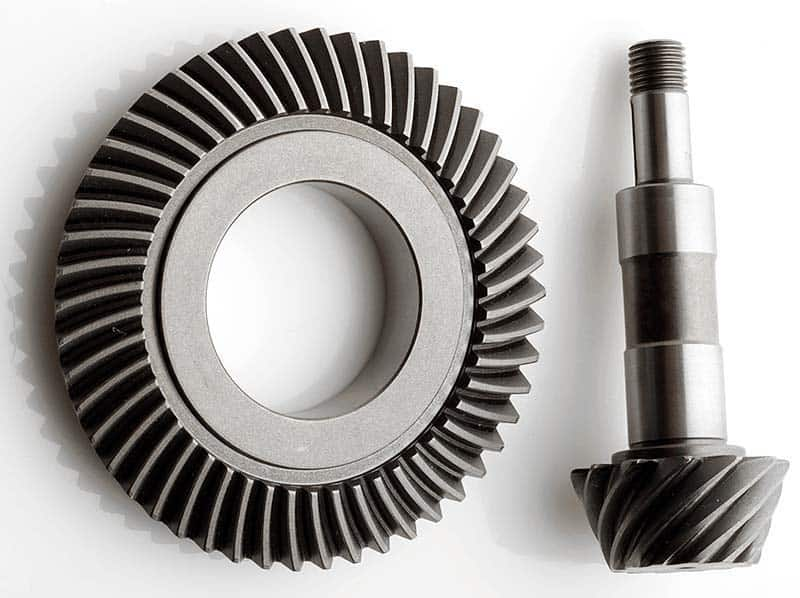
Can Crown Wheel and Pinion Gears Be Rebuilt?

In the world of drivetrain repair and differential service, few components raise as many questions as the crown wheel and pinion. These gears sit at the heart of the differential, transferring torque, changing direction of rotation, and determining the final drive ratio of the vehicle. Because of their importance—and their cost—it is common for vehicle owners, workshops, and even parts buyers to ask a simple but critical question:
Can crown wheel and pinion gears be rebuilt, or must they always be replaced?
No—crown wheel and pinion gears cannot be rebuilt.
At first glance, the idea of rebuilding seems reasonable. Engines are rebuilt. Transmissions are rebuilt. Entire differentials are rebuilt. So why not crown wheel and pinion gears themselves?

In reality, however, crown wheel and pinion gears are fundamentally different from most serviceable drivetrain components. Once they are worn or damaged, there is no reliable or professional way to rebuild them. Understanding why requires a closer look at how these gears are manufactured, how they fail, and how the term “rebuild” is often misused in the aftermarket.
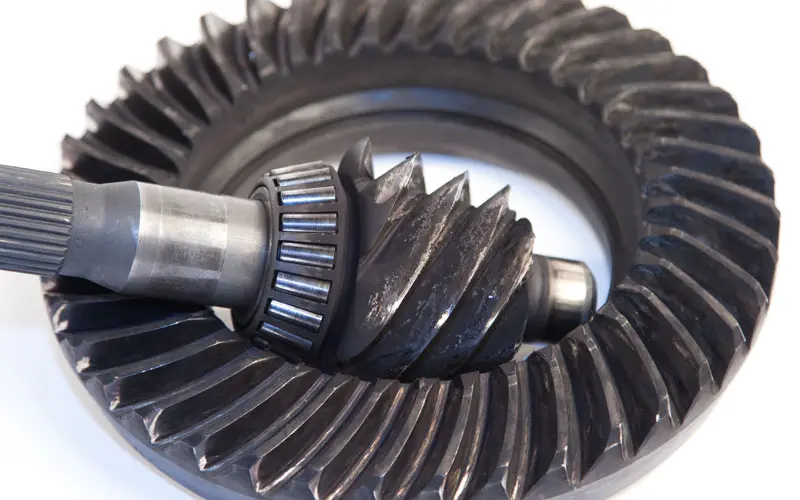
overheating ring and pinion gears

Why Crown Wheel and Pinion Gears Cannot Be Rebuilt

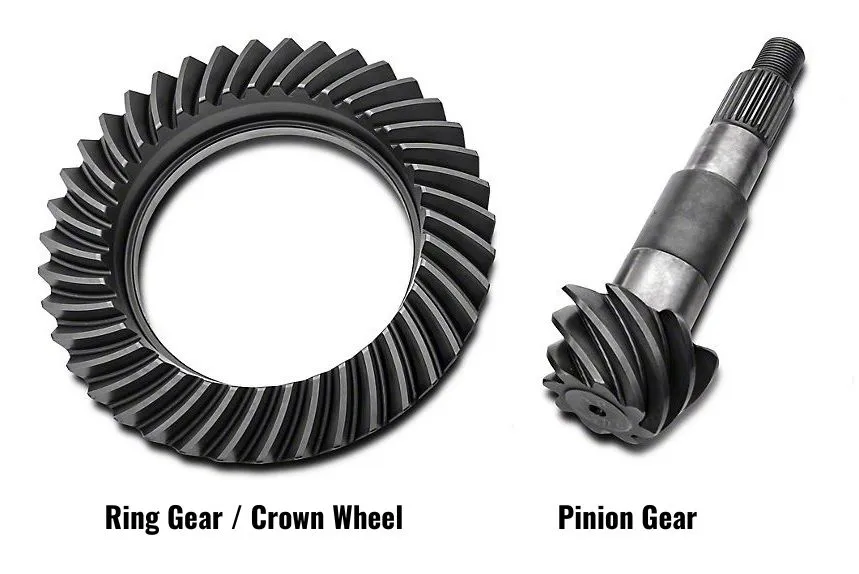
The crown wheel and pinion sit at the core of the differential, transferring torque while changing the direction of rotation and defining the final drive ratio. Unlike many other drivetrain parts, these gears are not designed with rebuildability in mind.

Precision Manufacturing and Matched Pairs

Every crown wheel and pinion set is manufactured and finished as a matched pair. During production, the gears are cut, heat-treated, and then lapped together to establish a specific contact pattern. This process ensures correct load distribution, low noise levels, and long service life.
Once this relationship is established at the factory, it cannot be recreated later. Any attempt to modify one gear without the other destroys the original geometry that allows the set to operate quietly and reliably.

Surface Hardening and Structural Limits

Crown wheel and pinion gears rely heavily on controlled surface hardening. The hardened outer layer resists wear, while the core maintains toughness to absorb shock loads. When this hardened layer is compromised—through wear, pitting, or chipping—it cannot be restored without completely altering the gear’s structure.
Re-machining removes hardened material. Re-hardening introduces distortion and residual stress. In both cases, the result is a gear that no longer meets the original design requirements.
This is why, from an engineering standpoint, rebuilding crown wheel and pinion gears is not feasible.

Why Crown Wheel and Pinion Gears Cannot Be Rebuilt

Understanding failure modes helps clarify why replacement is the only responsible solution.

Common Types of Irreversible Damage

  • Chipped or broken teeth, even at the edge of the tooth
  • Pitting or spalling, indicating surface fatigue
  • Abnormal wear patterns caused by incorrect setup
  • Persistent gear whine during acceleration or deceleration
  • Heat damage from lubrication failure or overload
Each of these conditions represents permanent damage to the tooth surface or structure. No amount of polishing, adjustment, or partial machining can reverse this kind of degradation.
Once failure begins, it progresses quickly and unpredictably.

Why the Term “Rebuilt Crown Wheel and Pinion” Exists at All

If crown wheel and pinion gears cannot be rebuilt, why does the term still appear in the market?

The answer lies in terminology confusion, not in actual repair capability.

“Rebuilt Differential” vs “Rebuilt Gears”

In many cases, the differential assembly is rebuilt. Bearings, seals, clutches, or locking mechanisms are replaced. If the existing crown wheel and pinion appear usable, they are reinstalled.
Over time, this practice has led to the misleading impression that the gears themselves were rebuilt. In reality, they were simply reused.

Used or Cleaned Gears Marketed as Rebuilt

Some suppliers describe used gear sets as:

  • Rebuilt
  • Reconditioned
  • Refurbished
  • Tested or checked
These terms may indicate cleaning or inspection, but they do not represent any true restoration of tooth geometry, surface hardness, or fatigue life.
From a technical perspective, there is no such thing as a rebuilt crown wheel and pinion.

Why Replacement Is the Correct and Professional Choice

Once a crown wheel and pinion show signs of wear or damage, replacement is not just recommended—it is necessary.

Replacement Restores Factory-Level Geometry

A new crown wheel and pinion set restores:

  • Correct tooth geometry
  • Proper contact pattern
  • Predictable noise behavior
  • Designed load capacity

This cannot be achieved through reuse or partial repair.

Replacement Reduces Long-Term Risk

Attempting to reuse compromised gears may save cost initially, but often results in:

  • Noise complaints
  • Premature bearing failure
  • Repeat labor costs
  • Reduced customer confidence

For workshops, fleet operators, and serious off-road or towing applications, replacement is the most economical option over the full service life of the vehicle.

Why Crown Wheel and Pinion Gears Must Always Be Replaced as a Set

Another critical point often misunderstood is the idea of replacing only one gear.

Because crown wheel and pinion gears are matched during manufacturing, replacing only one of them leads to immediate problems:

  • Mismatched contact patterns
  • Increased noise
  • Accelerated wear
  • Shortened lifespan

For this reason, crown wheel and pinion gears must always be replaced together, regardless of which gear appears more damaged.

Installation Quality Matters as Much as Replacement

Even the highest-quality replacement crown wheel and pinion can fail if installation is incorrect. Proper setup ensures the new gears operate as intended.

Key factors include:

  • Correct pinion depth
  • Accurate backlash setting
  • Proper bearing preload
  • Consistent contact pattern under load
Replacement should always be accompanied by careful setup using proper tools and procedures.

Making an Informed Decision When Crown Wheel and Pinion is Broken

When evaluating crown wheel and pinion issues, the decision process should be straightforward:

  • Rebuilding is not an option
  • Reuse carries risk and uncertainty
  • Replacement provides predictable results
This does not mean replacement must be framed as aggressive or unnecessary. It is simply the most neutral, technically sound solution once damage exists.

Final Conclusion

Despite how often the question is asked, the answer remains consistent and clear: crown wheel and pinion gears cannot be rebuilt. The term “rebuilt crown wheel and pinion” does not describe a real mechanical process, but rather a misunderstanding or a marketing shortcut.
Once wear, fatigue, or damage is present, the only reliable path forward is replacement of the complete crown wheel and pinion set. This approach restores performance, reduces noise, and ensures long-term reliability.

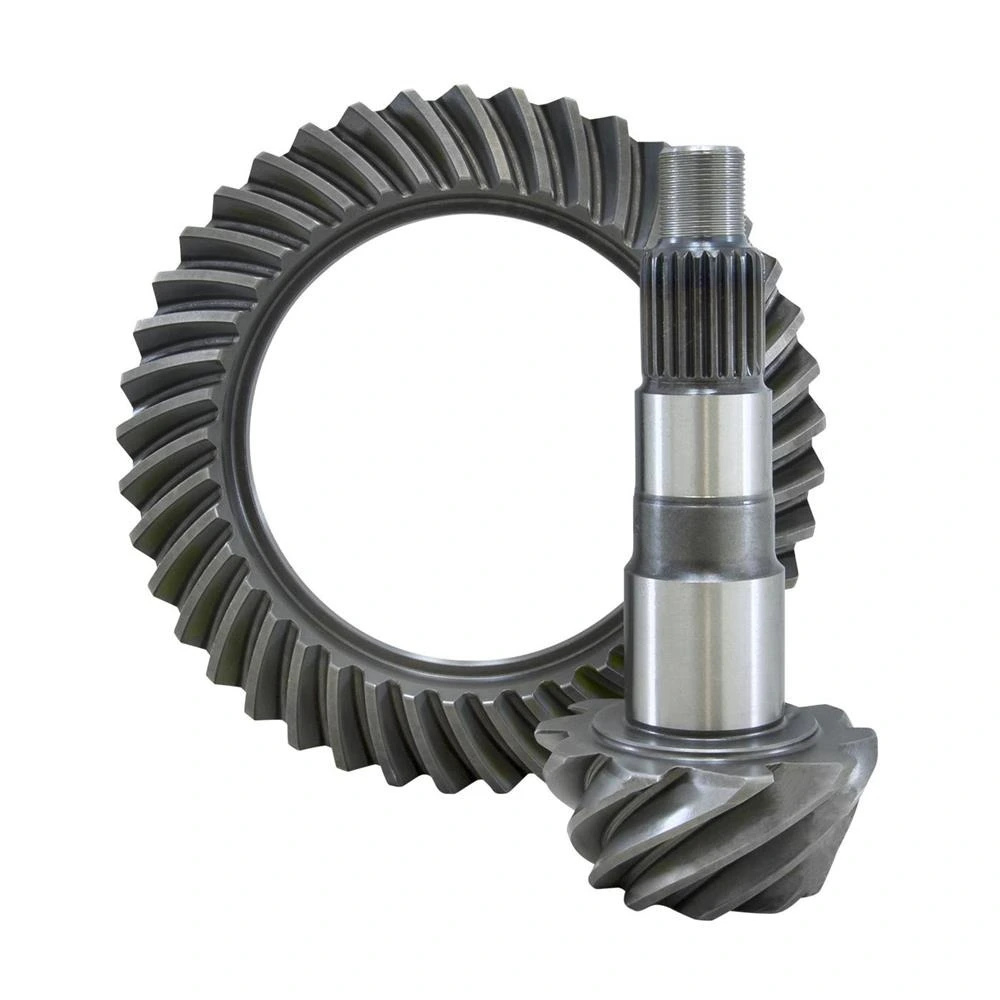
At XJXPARTS, we manufacture crown wheel and pinion sets with a focus on precision, durability, and consistent quality. As a factory-based supplier, we support professional repair and replacement needs with reliable products and technical understanding. If you have questions about crown wheel and pinion replacement or need assistance selecting the right set for your application, feel free to contact us through our Contact Us page.
Explore More

Get a Quote Now

    Business Type*

    Order Quantity (Select from dropdown)*

    *Your privacy will be 100% safe with us. Learn more details about the Terms & Conditions and Privacy Policy on this website.*
    Open chat
    Hello, Can we help you?