How to Source Custom Ring and Pinion Gears: A Guide for Distributors and OEM Buyers

When sourcing drivetrain components at volume, few decisions carry more downstream consequence than the ring and pinion gear set. Specify the wrong gear ratio and a fleet operator loses fuel efficiency. Accept a set machined to loose tolerances and a rebuild shop inherits warranty claims it cannot afford. For purchasing managers, fleet engineers, and drivetrain rebuilders who need reliable supply — not a consumer parts catalog — understanding what separates a standard gear set from a properly engineered custom solution is worth the time investment.
This guide covers everything procurement professionals need to evaluate custom ring and pinion gear suppliers, from metallurgy and tooth geometry to ratio selection, quality verification, and supplier capability.
custom ring and pinion gears

What Are Ring and Pinion Gears and Why Customize Them?

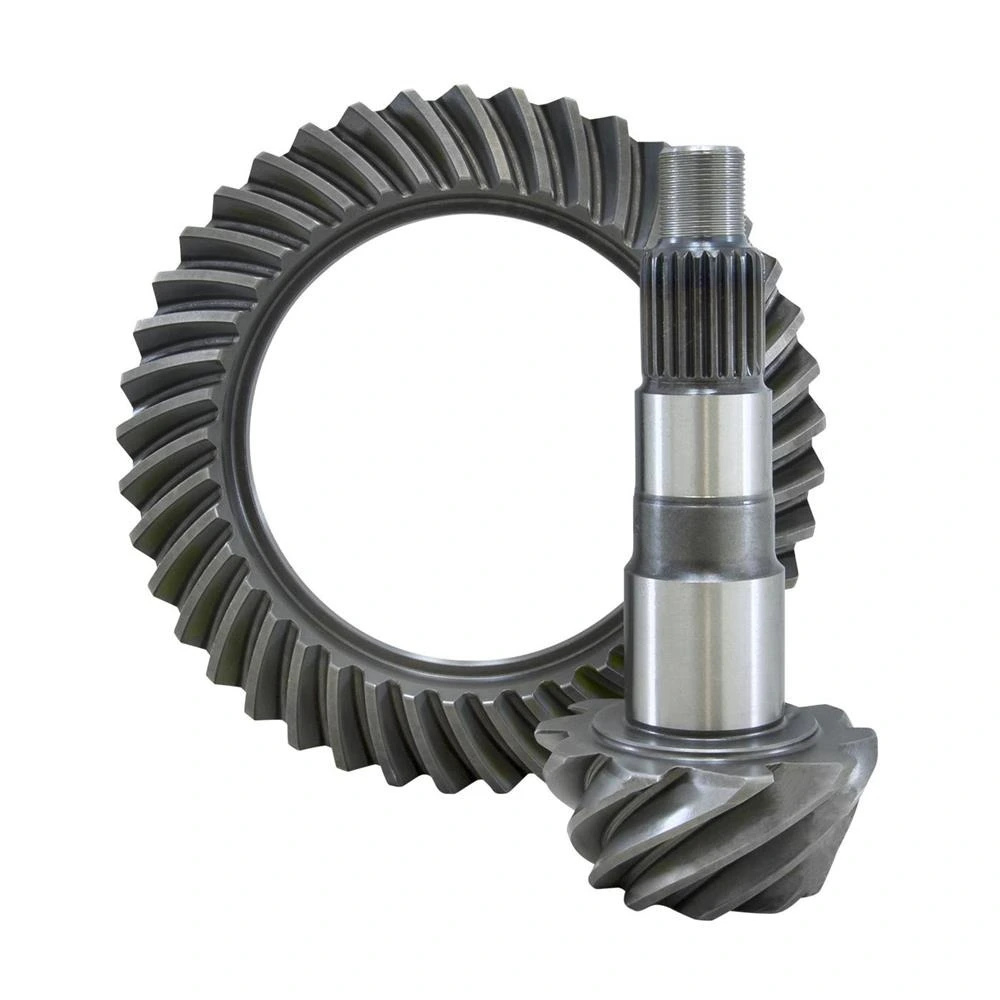
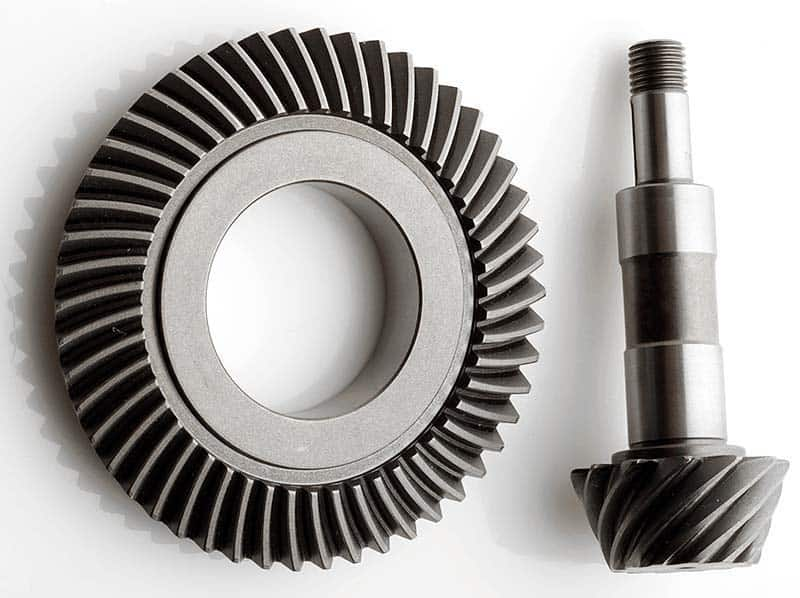
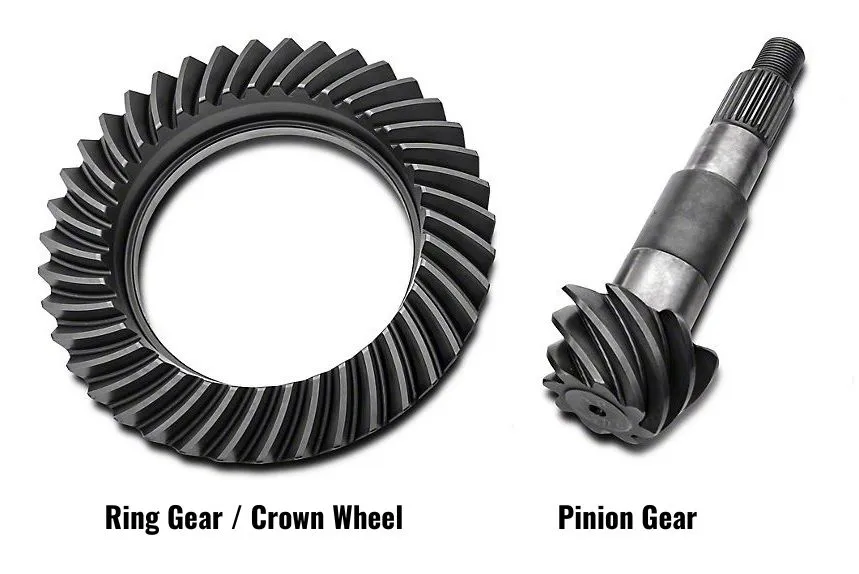
A ring and pinion gear set is the final drive component in a vehicle’s axle assembly. The ring gear meshes with the pinion gear to transfer torque from the driveshaft to the axle shafts, ultimately driving the wheels. Together, they define the axle ratio and directly influence how a vehicle performs under load.
Standard gear sets are built for scale. They follow fixed ratios, standardized dimensions, and are designed to fit the most common axle housings. In replacement markets, they are efficient and widely available, but they are inherently limited when operating conditions deviate from factory assumptions.

Custom ring and pinion gears are engineered for those deviations. Whether the requirement is a non-standard ratio, a discontinued application, or improved durability under extreme load, customization allows the gear set to match the real operating environment. For B2B buyers, this is not just a technical upgrade—it is a way to reduce failure rates, differentiate product offerings, and stabilize long-term supply.

Key Specifications That Define a Custom Ring and Pinion Gear Set

Before initiating a sourcing process, procurement teams need to define specifications with clarity. This is one of the most common failure points in custom projects.
At a minimum, a complete specification should include:
  • Gear ratio (target performance requirement)
  • Tooth count and module / diametral pitch
  • Material grade (e.g., 8620, 9310)
  • Heat treatment method and hardness range
  • Housing compatibility (bolt pattern, diameter, spline count)

These parameters are interdependent. For example, changing the tooth count to achieve a new ratio may require adjustments to geometry and heat treatment strategy to maintain durability and noise performance.

Gear Ratio

The gear ratio determines how torque is multiplied and how engine speed translates to wheel speed. In practical terms, higher ratios are used where torque is prioritized, such as off-road or towing applications, while lower ratios are used to reduce engine RPM and improve efficiency in highway conditions.
Custom projects often require ratios that are not commercially available, especially in modified vehicles or specialized equipment. In these cases, ratio selection should be based on the full drivetrain system rather than isolated preference.

Material and Heat Treatment

Material selection defines how the gear performs under repeated load cycles. Alloy steels such as 8620 provide a balanced baseline, while 9310 is preferred in higher stress environments due to its improved fatigue resistance.
Heat treatment, typically through case carburizing, creates a hardened surface layer while maintaining a tough core. The effectiveness of this process depends on precise control of temperature, time, and cooling conditions. Inconsistent heat treatment remains one of the most common causes of premature gear failure in the market.

Fitment and Compatibility

Fitment accuracy is often underestimated during procurement. Even when ratio and material are correct, a mismatch in dimensions will render the gear unusable.

Critical factors include ring gear diameter, bolt pattern, pinion shaft geometry, and spline configuration. These must be verified against the target axle housing before production begins, especially in conversion or retrofit applications.

Where Custom Ring and Pinion Gears Are Typically Required

Custom gear sets are not niche—they are essential in several established B2B segments. The most common scenarios include:
  • Commercial fleet rebuilds, where maintaining older vehicles requires exact or improved replacements
  • Off-road and 4×4 conversions, where tire size changes demand ratio adjustments
  • Agricultural and industrial equipment, where OEM parts are discontinued
  • Motorsport applications, where performance requirements exceed standard specifications
Across these applications, the limitation of standard gear sets becomes clear: they are not designed for modified or high-stress environments.

How Custom Ring and Pinion Gears Are Manufactured

The manufacturing of custom ring and pinion gears follows a controlled multi-stage process, where each step directly affects performance, durability, and noise characteristics.

1. Gear Cutting

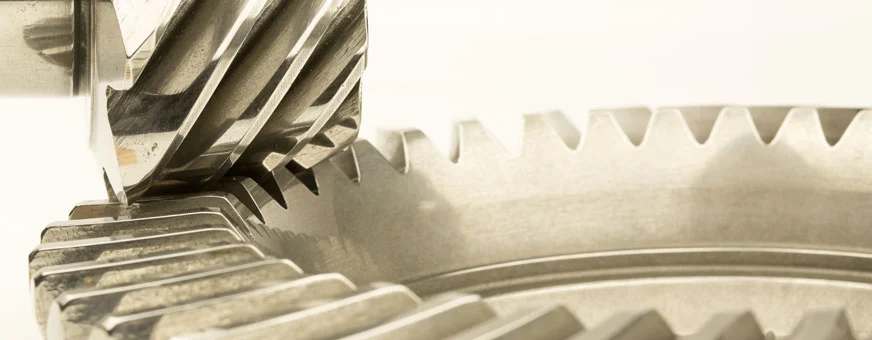
Production begins with precision gear cutting, typically using Gleason or Klingelnberg systems. This stage establishes the fundamental tooth geometry that determines how the gears mesh and transmit load.
Accuracy at this stage is critical, as any deviation will carry through the entire manufacturing process and affect final performance.

2. Grinding or Lapping (Finishing)

For higher-specification products, a finishing process is applied after cutting, usually in the form of grinding or lapping.
These processes are used to:
  • Refine tooth surface finish
  • Optimize contact pattern
  • Reduce vibration and operating noise
For applications where low noise and smooth operation are required, finishing is not optional—it is a defining quality factor.

3. Heat Treatment

Heat treatment typically involves case carburizing, which creates a hardened outer layer while maintaining a tough core.
Key objectives include:
  • Achieving surface hardness in the 58–62 HRC range
  • Ensuring sufficient case depth for load resistance
  • Maintaining core toughness to prevent cracking

Poor control during this stage can introduce distortion or internal stress, which may not be visible during initial inspection but can lead to premature failure in service.

4. Final Inspection and Quality Verification

The final stage focuses on validating that the gear set meets all technical requirements before delivery.
This typically includes:
  • Dimensional inspection (runout, backlash, geometry)
  • Tooth profile and lead measurement
  • Contact pattern verification
  • Surface quality checks
For B2B procurement, access to these inspection results is essential. They provide a measurable basis for evaluating supplier consistency and product reliability.

Evaluating Custom Gear Suppliers

Choosing the right supplier requires more than comparing price quotes. A structured evaluation should focus on operational capability and consistency.
A reliable supplier should demonstrate:
  • In-house manufacturing capability for bevel gears (not purely trading)
  • Engineering support for drawing review and optimization
  • Complete quality documentation, including material and heat treatment records
  • Stable lead time management based on process control
  • Clear and responsive communication during RFQ and production

In practice, the quotation stage often reveals more than any brochure. Suppliers who engage technically and respond clearly are more likely to deliver consistent results.

Ring and Pinion Gear Ratio Selection: A Reference Table

For procurement teams and distributors, the following table provides a practical baseline for common applications:
Application Type Typical Ratio Range Primary Objective Practical Impact
Passenger / Highway
3.08 – 3.73
Fuel efficiency
Lower engine RPM
Light Truck / Towing
3.55 – 4.10
Load handling
Balanced torque
Off-road / 4x4
4.56 – 5.13
Maximum torque
Improved climbing ability
Motorsport / Performance
Custom
Performance optimization
Application-specific
These ranges should be used as a starting point. Final ratio selection should always consider engine characteristics, transmission ratios, and tire size.

Working With a Factory Supplier

Working directly with a manufacturer provides advantages in pricing, technical alignment, and production control, but it also requires a structured approach from the buyer.
Clear documentation, confirmed specifications, and first-article validation are essential steps in reducing risk. For new supplier relationships, a small initial order allows both parties to verify product quality before scaling production.

Over time, a stable manufacturing partner can significantly improve consistency and reduce sourcing friction, particularly for distributors managing multiple SKUs.

At XJXPARTS, we manufacture ring and pinion gears and differentials in-house, supporting custom specifications with full technical documentation and stable bulk supply. If you have a sourcing requirement, please feel free to contact us now! 
Explore More

Get a Quote Now

    Business Type*

    Order Quantity (Select from dropdown)*

    *Your privacy will be 100% safe with us. Learn more details about the Terms & Conditions and Privacy Policy on this website.*
    Open chat
    Hello, Can we help you?