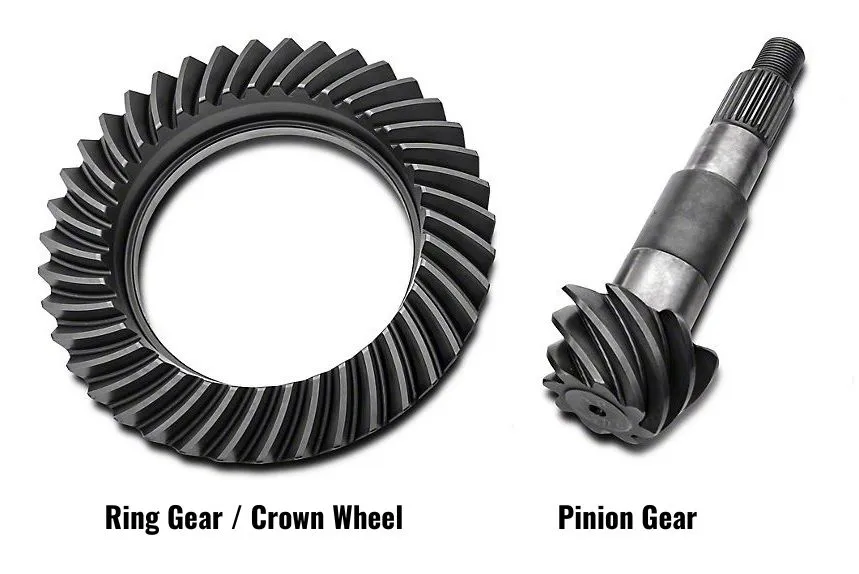
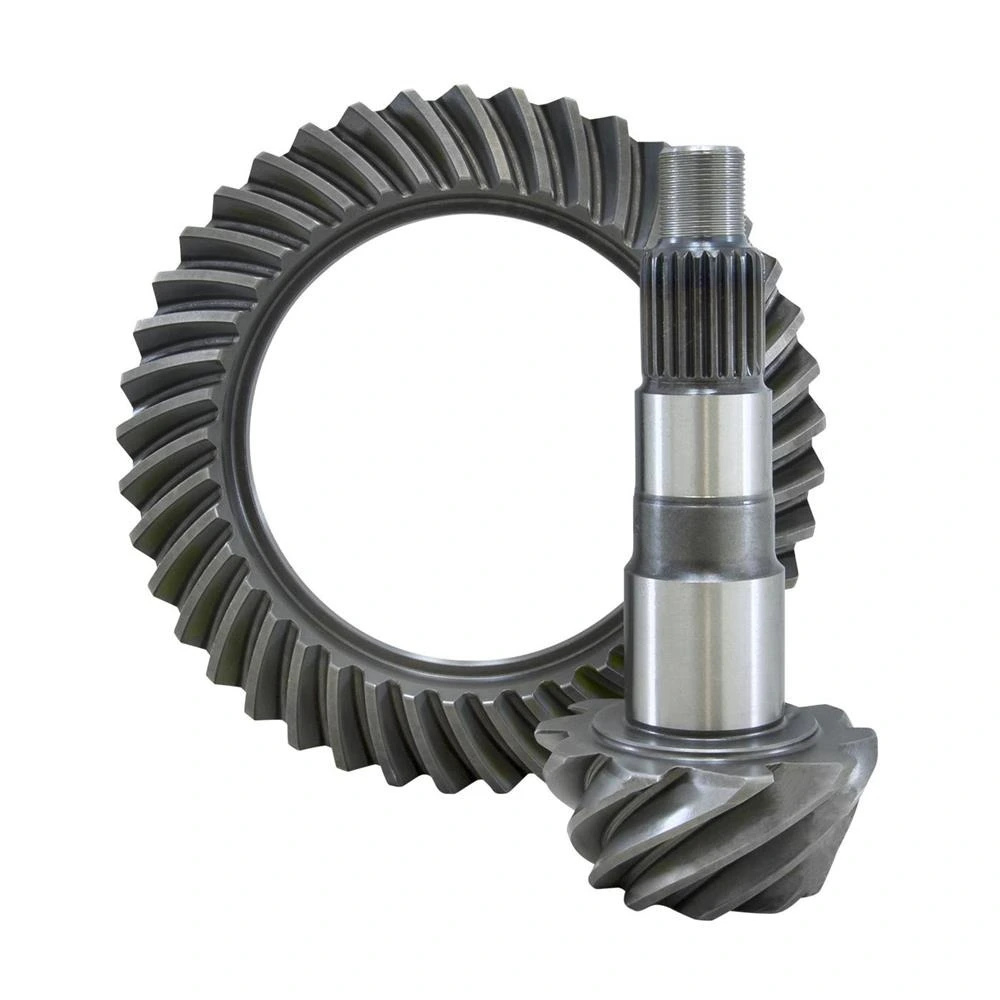
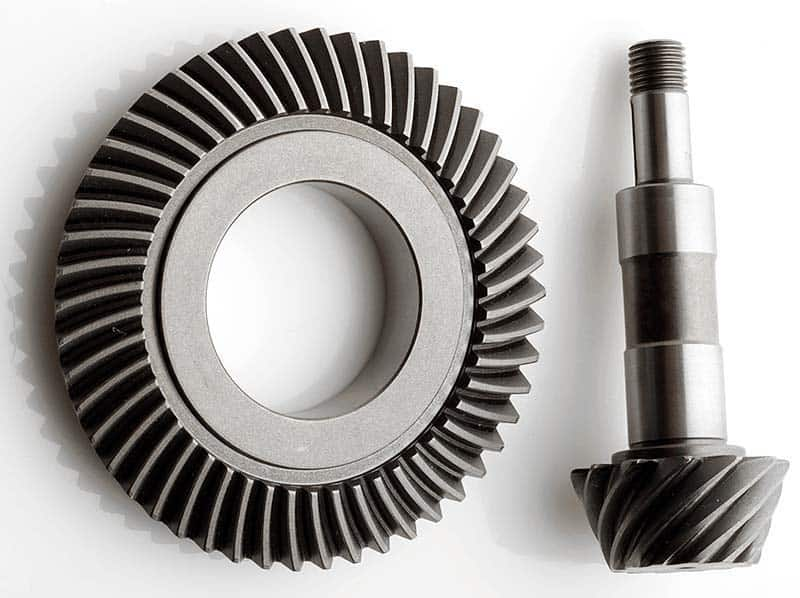
This guide explores the mechanics, types, and maintenance of the crown wheel and pinion, providing the technical depth needed to understand its pivotal role in the modern drivetrain.
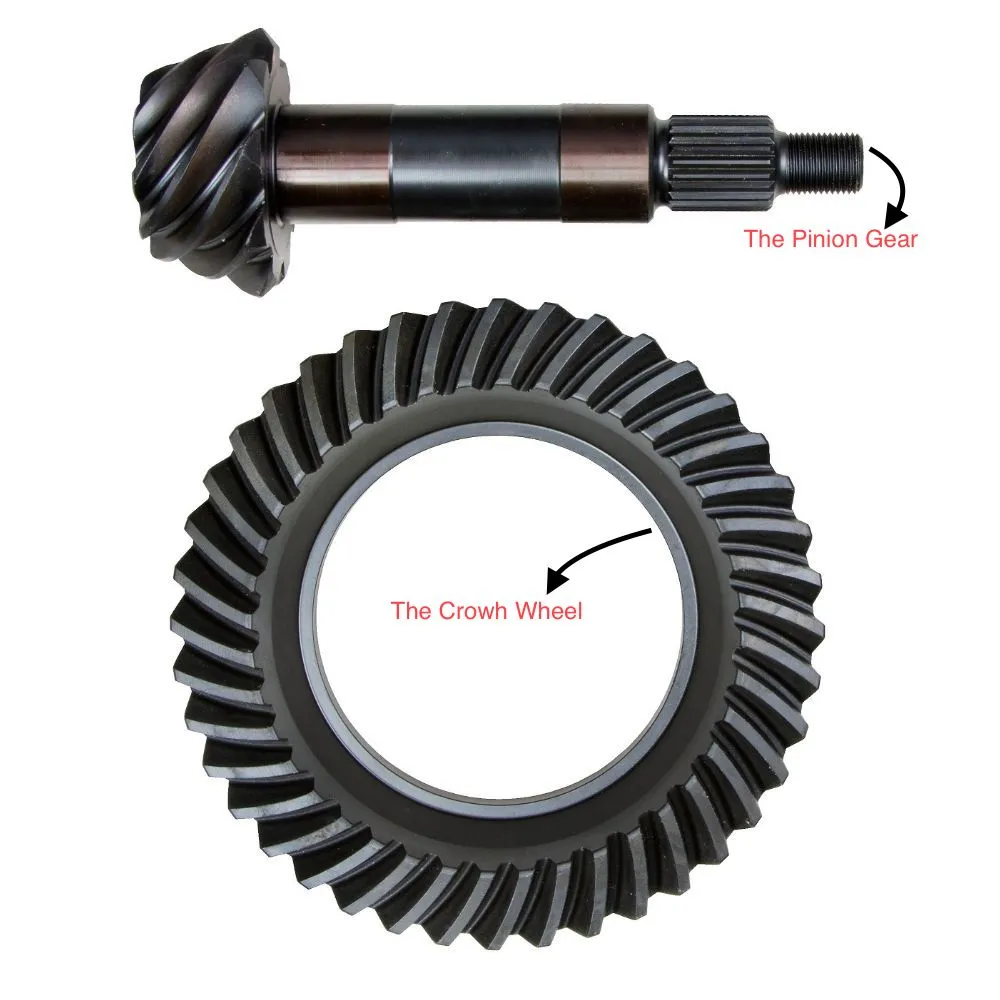
The Fundamentals of the Crown Wheel Pinion
1. The Pinion Gear
A crown wheel—also known as a ring gear—is a large gear with teeth on its outer edge. It is mounted on the differential case and works in conjunction with the pinion gear. Together, these gears convert the rotational motion of the driveshaft into the rotational motion of the wheels, while also adjusting torque and speed.
2. The Crown Wheel
The pinion gear is a smaller gear connected directly to the driveshaft. It typically meshes with the crown wheel at a right angle, transmitting power efficiently and ensuring proper torque distribution. The interaction between the crown wheel and pinion is precise; even small misalignments can lead to noise, excessive wear, or gear failure.
By meshing these two gears, the vertical rotation of the drive shaft is converted into horizontal rotation, which eventually powers the axle shafts and the wheels.
Function of the Crown Wheel Pinion
The primary function of the crown wheel and pinion is to enable differential action in a vehicle. When a vehicle turns, the wheels on the outside of the turn travel a greater distance than the inside wheels. The differential allows this speed difference without causing tire scrubbing or undue stress on the drivetrain.
- Torque Transmission: The pinion transfers torque from the driveshaft to the crown wheel.
- Speed Adjustment: Through gear ratios, the crown wheel pinion assembly modifies rotational speed to match wheel requirements.
- Power Distribution: It distributes engine power evenly or proportionally to the wheels, depending on the differential type.
Without a properly functioning crown wheel pinion, a vehicle may experience poor handling, abnormal noises, or even drivetrain damage.
Gear Ratios and Their Importance
The ratio between the pinion gear and the crown wheel is known as the gear ratio, calculated by dividing the number of teeth on the crown wheel by the number of teeth on the pinion. This ratio determines how many rotations the driveshaft must make to turn the wheels once.
For example, a 4.10:1 ratio means the pinion must rotate 4.1 times to turn the crown wheel once. Gear ratios are carefully chosen based on vehicle performance requirements:
- Lower ratios (e.g., 3.08:1): Better for fuel efficiency and lower engine RPM at cruising speed.
- Higher ratios (e.g., 4.56:1): Offer quicker acceleration and better off-road torque but increase fuel consumption.
Understanding gear ratios is vital when selecting or replacing crown wheel and pinion sets, as the wrong ratio can negatively affect vehicle performance.
Types of Crown Wheel Pinion Gears
- Hypoid Gears: The pinion gear is offset from the crown wheel’s center, allowing for lower driveshaft placement, higher load capacity, and quieter operation. These are the most widely used in modern vehicles.
- Spiral Bevel Gears: The pinion and crown wheel axes intersect, providing smooth engagement and lower noise, often found in traditional or light-duty vehicles.
For a more detailed comparison between these two designs, you can refer to this article: Hypoid vs Spiral Bevel Ring and Pinion, which explains the differences in gear structure, performance, and applications. Linking these resources helps you understand how gear choice affects differential performance and vehicle handling.
Common Issues and Troubleshooting
Even though crown wheel and pinion gears are durable, they can experience wear or damage over time. Common issues include:
- Gear Whine or Noise: Often caused by misalignment, improper backlash, or worn teeth.
- Vibration: Can result from imbalanced gears or poor installation.
- Excessive Wear: Due to insufficient lubrication, contamination, or heavy load stress.
- Gear Breakage: Rare but serious, typically resulting from severe misuse or manufacturing defects.
Regular inspection, proper installation, and correct lubrication are essential to prevent these issues. For a more detailed guide on diagnosing and resolving ring and pinion gear noise, you can refer to this article: A Comprehensive Guide to Ring and Pinion Gear Noise.
Installation and Maintenance Tips
Installing a crown wheel and pinion requires precision. A few key tips include:
- Proper Alignment: The pinion must mesh perfectly with the crown wheel to avoid uneven wear or noise.
- Correct Torque Settings: Both the pinion nut and differential housing bolts must be torqued according to manufacturer specifications.
- Correct Torque Settings: Both the pinion nut and differential housing bolts must be torqued according to manufacturer specifications.
- Check Backlash: The slight gap between the pinion and crown wheel is crucial for smooth operation.
Maintenance includes regular oil changes, inspection for metal debris in the lubricant, and checking for abnormal noise during operation.
Applications in Vehicles
The crown wheel and pinion are found in almost every rear-wheel-drive or four-wheel-drive vehicle. Some key applications include:
- Passenger Cars: Ensures smooth cornering and ride comfort.
- Trucks and SUVs: Provides torque multiplication for towing and off-road driving.
- Performance Vehicles: Enables precise torque distribution for better acceleration and handling.
- Industrial Vehicles: Supports heavy loads with durable gear construction.
By understanding the specific demands of each application, technicians can select the appropriate crown wheel pinion set for optimal performance.
Choosing the Right Crown Wheel Pinion
When selecting replacement or upgraded gears, consider the following:
- Vehicle Specifications: Ensure the gears match your differential model and axle ratio.
- Material Quality: Hardened steel or alloy construction increases durability.
- Brand Reliability: OEM or reputable aftermarket brands ensure precision and performance.
- Intended Use: Off-road, racing, or daily driving may require different gear ratios and designs.
Investing in quality crown wheel pinion gears extends the life of the differential and enhances overall vehicle performance. For a detailed guide on choosing the correct size and type of ring and pinion gears, you can check out this article: How to Choose the Correct Size Ring and Pinion Gears.
Conclusion
For high-quality crown wheel pinion sets, XJXPARTS offers factory-direct products. If you require reliable parts, please feel free to contact us here.