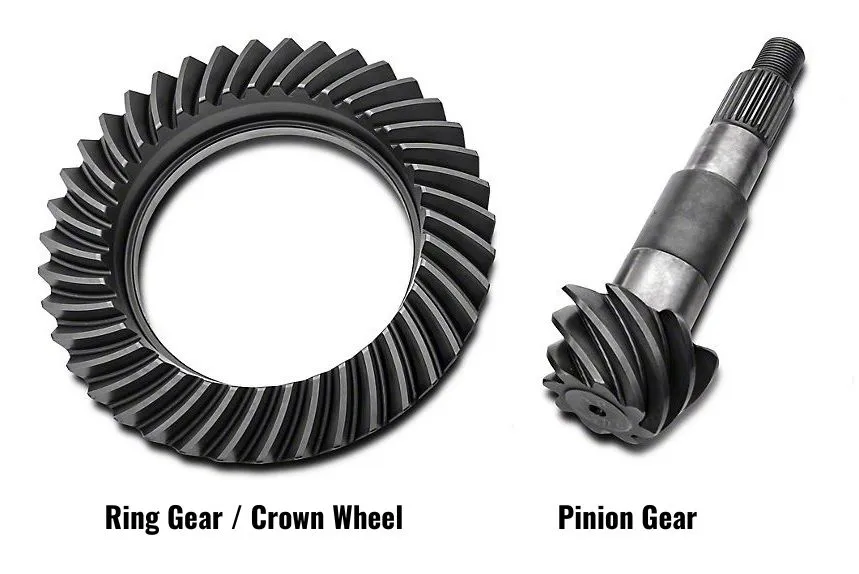
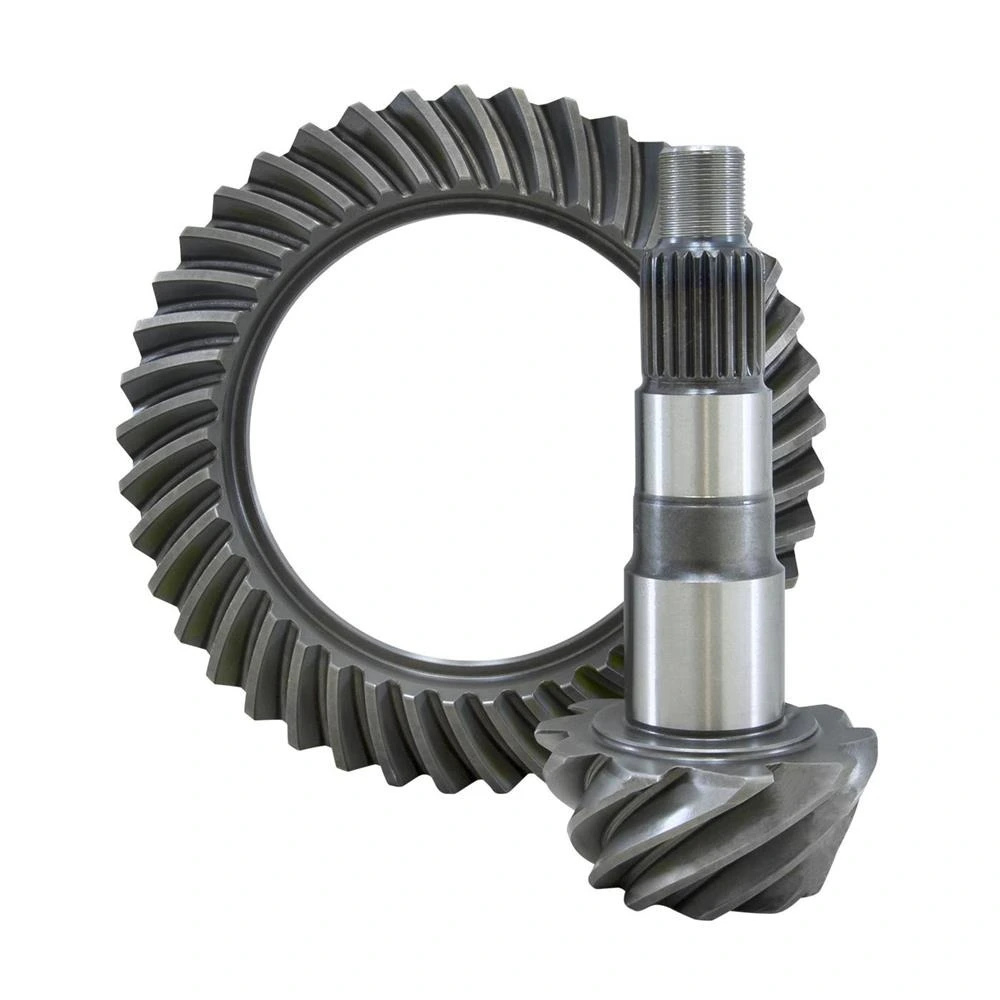
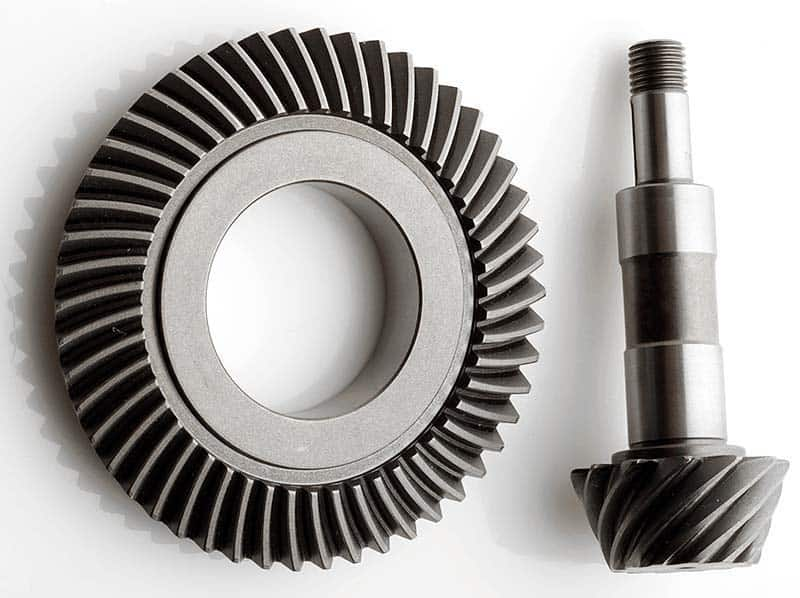
In our factory, we inspect and test crown wheel and pinion sets daily. One pattern we see repeatedly: gear sets returned for premature failure where the root cause isn’t the gear itself — it’s incorrect pinion preload set during installation. Based on our production experience and feedback from distributors across multiple markets, this single setup error accounts for a significant share of avoidable differential failures.
This article breaks down what actually happens inside a differential when preload is wrong — mechanically, thermally, and structurally.
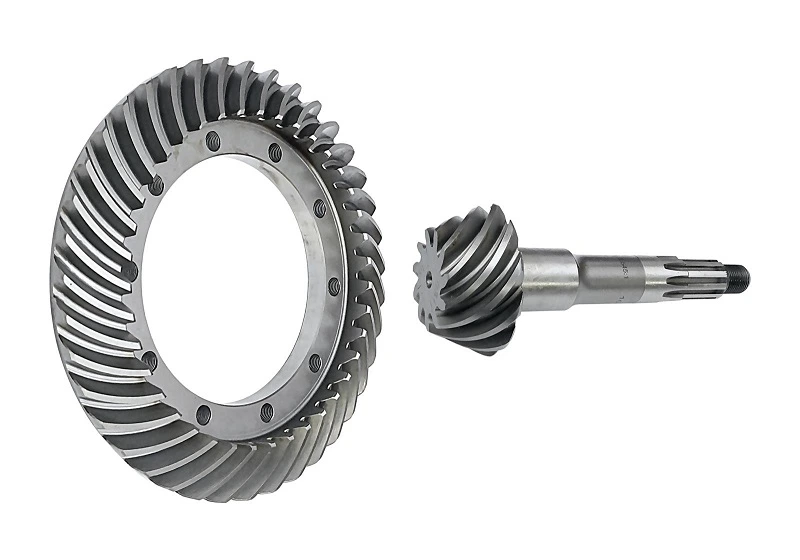
This article provides a detailed look into how preload works, why incorrect preload is so harmful, what symptoms typically appear, and how proper setup prevents costly breakdowns. It is written to help vehicle owners, mechanics, fleet managers, and aftermarket installers understand the long-term consequences of improper pinion setup—and why getting it right matters far more than many people realize.
What Is Pinion Preload and Why Does It Matter?
Pinion preload refers to the amount of rotational resistance applied to the pinion bearings when the pinion nut is torqued. It determines how tightly the bearings clamp onto the pinion shaft, which directly influences:
- The stability of the pinion under load
- Gear mesh consistency
- Bearing longevity
- Heat generation
- Noise and vibration levels
When preload is correct, the bearings maintain smooth, even rotation. The pinion remains stable as it transfers torque to the ring gear, minimizing movement and ensuring optimal tooth contact.
When preload is incorrect—either too loose or too tight—the bearing’s internal geometry is compromised. This leads to accelerated wear and places the entire differential at risk.
Incorrect Preload: Two Types, Two Different Failure Paths
There are two ways preload can be set incorrectly:
- Insufficient preload (too loose)
- Excessive preload (too tight)
Both cause serious damage, but in very different ways.
1. Insufficient Preload (Too Loose)
In practice, we’ve observed that differentials running with pinion preload below the OEM specification — even by as little as 2–3 in-lbs — can begin showing irregular tooth wear patterns within 10,000–15,000 km under normal load conditions. In commercial fleet applications, this threshold is reached much faster due to higher average torque loads.
How It Causes Damage
Bearing Skidding
When preload is too low, the rollers inside the bearing do not rotate smoothly—they skid across the race surface. This leads to localized overheating, scoring, and micro-pitting.
Pinion Deflection Under Load
The pinion does not maintain a fixed position. Instead, it shifts away from the ring gear under torque, causing:
- Poor tooth contact
- Increased backlash
- Irregular wear on both pinion and ring gear teeth
Gear Whine
Loose preload is one of the most common causes of differential whine under acceleration or deceleration. The noise is more than an annoyance; it is a sign that metal surfaces are no longer interacting properly.
Seal Leakage
A moving pinion puts extra stress on the seal lip, causing leaks. Once gear oil levels drop, the wear accelerates dramatically.
Long-Term Consequences
If uncorrected, insufficient preload leads to:
- Pitting on gear teeth
- Bearing cone surface damage
- Excessive heat buildup
- Complete bearing collapse
- Pinion shaft wobble
- Fast failure of the entire gear set
2. Excessive Preload (Too Tight)
This error is less common, but often far more destructive. Excessive preload occurs when the pinion nut is overtightened or when the crush sleeve is incorrectly compressed.
How It Causes Damage
Bearing Overheating
Too much preload increases friction dramatically. Even at low speeds, the bearings generate excessive heat, which breaks down lubrication and causes the rollers to scuff the races.
Rapid Fatigue
The bearing rollers become overloaded. This creates microscopic cracks in the raceways, eventually leading to spalling and metal flaking.
Gear Oil Breakdown
Excess heat cooks the oil, reducing viscosity. Once lubrication is compromised, wear accelerates exponentially.
Immediate Failure Under Load
In performance or heavy-duty applications, excessive preload can destroy a new gear set in minutes, not months.
Long-Term Consequences
Excessive preload results in:
- Blueing or discoloration of bearing surfaces
- Warped pinion bearings
- High-pitched whining or grinding noises
- Seal failure due to heat
- Seized pinion shaft in extreme cases
Why Incorrect Preload Usually Goes Unnoticed During Installation
This is the part that frustrates us most as a manufacturer: the gear set itself is fine, but it gets blamed for a failure caused by how it was installed. We’ve spoken with distributors who’ve had to replace gear sets under pressure from their customers, only to later discover the original set had been destroyed by a mis-torqued pinion nut — not a material defect.
Using old bearings to check pattern
Installers sometimes reuse old bearings for setup work, then switch to new bearings for final assembly. Since new bearings have different internal clearances, preload set with old bearings becomes inaccurate.
Relying on “feel” instead of measurement
Preload must be measured with an inch-pound torque wrench. Estimating by hand is nearly always inaccurate.
Improper crush sleeve compression
Crush sleeves cannot be partially crushed or reused. Any misstep results in inaccurate preload.
Dirty or dry bearings during assembly
Even a small amount of debris or lack of lubrication will change preload readings and lead to future failure.
Underestimating the effect of torque on bearing seating
Bearings seat deeper after the first rotation under load. If preload is set before seating occurs, it becomes incorrect as soon as the vehicle is driven.
Symptoms of Incorrect Pinion Preload
Different types of incorrect preload manifest as different symptoms. Identifying them early can prevent catastrophic damage.
Signs of Insufficient Preload
- Whine during acceleration or deceleration
- Excessive backlash after a short time
- Gear oil leaks from the pinion seal
- Vibration under load
- Metallic particles in the oil
Signs of Excessive Preload
- High-pitched whine at all speeds
- Overheating near the differential housing
- Burnt-smell gear oil
- Rapid seal wear
- Bearing noise even with proper oil level
How Incorrect Preload Leads to Gear Set Failure
Even though preload is applied to bearings and not directly to gear teeth, it has a major impact on gear longevity. Gear sets fail when:
1. Tight or loose bearings change tooth contact
A shifting pinion alters the contact pattern between ring and pinion teeth, leading to:
- Pitting
- Scuffing
- Micro-spalling
- Tooth breakage
2. Excess heat from the bearings spreads to the gear set
Heat accelerates:
- Lubrication breakdown
- Material fatigue
- Surface wear
3. Loss of oil from seal failure starves the gears
Low oil levels cause direct metal-to-metal contact, quickly destroying the differential.
4. Increased vibration accelerates fatigue in both bearings and gears
Vibration is especially destructive in vehicles used for heavy-load operation, long-distance hauling, or performance builds.
How to Ensure Preload Is Set Correctly
Getting preload right isn’t complicated — but it does require discipline. Based on what we see when distributors return gear sets for inspection, the majority of failures trace back to shortcuts taken during installation, not defects in the components themselves. Here’s what correct setup actually looks like in practice.
Use the correct measurement tools
Preload must be measured, not felt. Experienced mechanics often underestimate how much variation exists between “feels about right” and the OEM-specified range. We’ve seen differentials returned with preload measured at nearly double the spec — set by someone who was confident they had it correct.
Never reuse crush sleeves
A crush sleeve that has already been compressed cannot be restored to its original collapse resistance. Reusing one is essentially installing a component that will give you inaccurate preload from the first rotation. This is one of the most common cost-cutting mistakes we see in high-volume workshops.
Use setup bearings for pattern work
New bearings have tighter internal clearances than used ones. If you check your contact pattern with old bearings and then switch to new ones for final assembly, your preload will shift — sometimes significantly. Keep a dedicated set of worn bearings for setup work only.
Lubricate bearings properly before installation
Dry bearings create higher drag readings that don’t reflect how the differential will behave once it’s running with gear oil. Always apply a light coat of gear oil before taking preload measurements.
Rotate the pinion during installation
Bearings seat under rotation. If you torque the pinion nut without seating the bearings first, your preload reading will drop once the vehicle moves — leaving you with under-preloaded bearings on the first drive.
Re-check preload after the carrier is installed
This step is skipped more often than it should be. Carrier bearing preload can alter pinion preload by several in-lbs. If you finalize the pinion before the carrier is in place, your measurement isn’t final.
Use high-quality bearings and gear sets
Precision-machined gear sets and bearings hold tighter dimensional tolerances, which means a small variation in preload has less impact on performance. Lower-grade components amplify the consequences of any setup imprecision.
Why Proper Preload Matters Most for B2B and Heavy-Duty Users
For an individual vehicle owner, incorrect preload is an inconvenience. For a business operating a fleet, running a workshop, or distributing drivetrain components at volume, it’s a different problem entirely — one that compounds across every unit affected.
Commercial fleets
A differential failure on a working vehicle doesn’t just mean repair costs. It means a vehicle pulled from service, a job delayed, and a maintenance event that wasn’t budgeted for. In fleet operations where vehicles run continuous shifts, a single preload-related failure can cost far more in downtime than the gear set itself is worth. The real risk is that preload errors are invisible during acceptance inspection — the damage builds quietly over thousands of kilometers before it becomes a breakdown.
Off-road and 4x4 applications
High-torque applications leave no margin for preload errors. In a stock passenger vehicle, slightly loose preload might produce whine and accelerate wear over months. In a vehicle running lockers, aggressive off-road use, or aftermarket ratio changes, the same error can destroy a gear set in a single outing. The cost isn’t just the hardware — it’s the rebuild labor, the customer relationship, and the shop’s reputation.
Aftermarket distributors
This is where incorrect preload becomes a reputational problem. When a gear set fails shortly after installation, the installer often blames the part — not the setup. If you’re a distributor who sold that gear set, you’re managing a warranty claim and a damaged relationship with your customer, even if the component was never at fault. We’ve spoken with distributors who absorbed replacement costs on perfectly good gear sets because the root cause — a mis-set preload — wasn’t identified until after the damage was done.
FAQs
What is the correct pinion preload specification?
It varies by axle model. For most passenger vehicles, pinion preload typically falls between 10–25 in-lbs for new bearings. Always refer to the OEM service manual for the specific axle you’re working on.
Can you reuse a crush sleeve after removing the pinion?
No. A crush sleeve is a one-time-use component. Once it has been compressed, it cannot return to its original length and will give inaccurate preload on reassembly.
How do I know if my pinion preload is too loose?
Common signs include differential whine under acceleration, slight gear oil leaks from the pinion seal, and excessive backlash that develops shortly after installation.
Does pinion preload affect gear contact pattern?
Yes, directly. A pinion that isn’t firmly held in place will shift under load, altering the contact pattern between the ring and pinion teeth — leading to accelerated wear and noise.
Conclusion
Incorrect pinion preload is one of the most common causes of bearing failure, gear noise, and premature crown wheel and pinion damage. Whether the preload is too loose or too tight, the consequences can be severe: excessive heat, vibration, gear wear, seal leaks, and catastrophic failure.
Understanding how preload works, recognizing early symptoms, and following precise setup procedures are essential to protecting the differential and ensuring long-term durability. For vehicle owners, workshops, and fleet managers, correct preload is a small detail that prevents major problems.
If you need high-quality crown wheel and pinion gears, pinion bearings, or complete differential components, XJXPARTS manufactures durable, precision-machined products for a wide range of applications. As a factory supplier, we support both bulk orders and custom requirements.