Ring and Pinion Noise Diagnosis Chart (Quick Troubleshooting Guide)

Unusual noise from a differential is rarely random. In most cases, it follows clear mechanical patterns tied to load, speed, and gear condition. The challenge is not whether a problem exists—it’s identifying what type of noise corresponds to which failure mode.

This guide is designed as a practical diagnostic tool, not a theoretical overview. Instead of long explanations, you’ll find a structured chart and concise interpretations that help you quickly isolate issues related to ring and pinion gears.

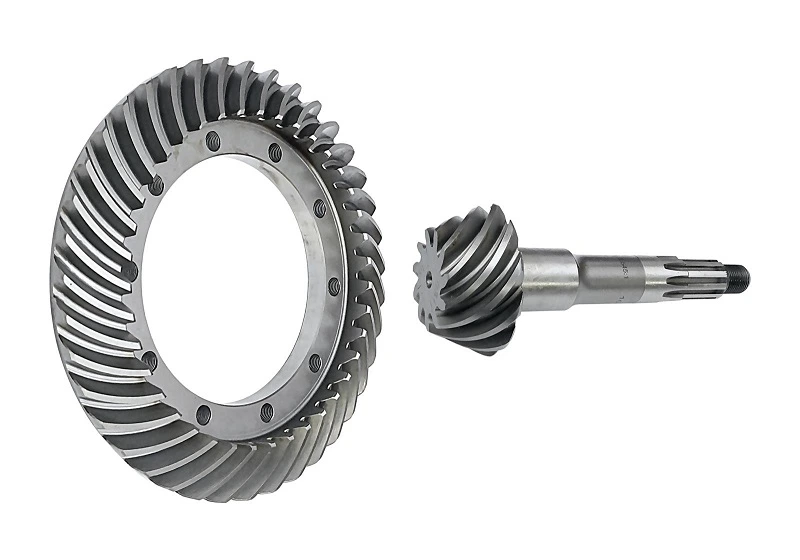
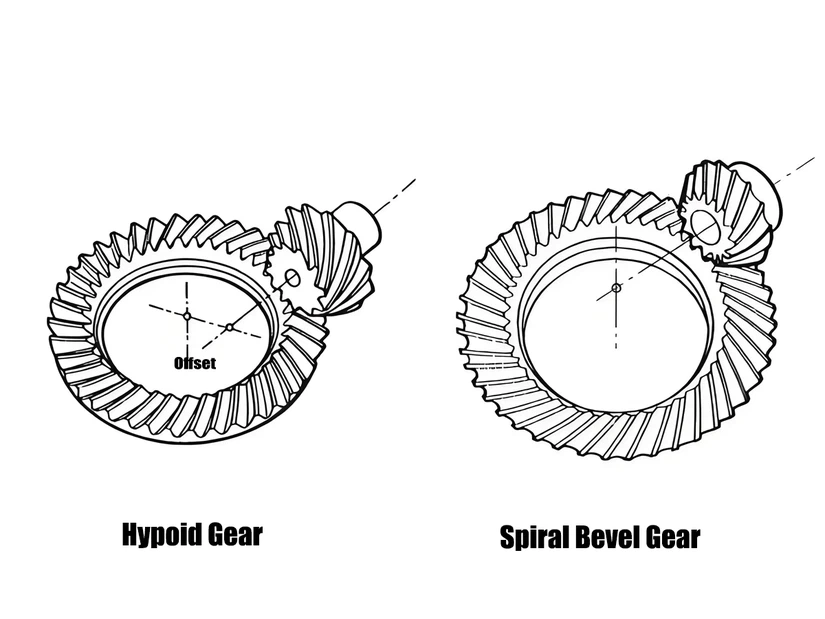
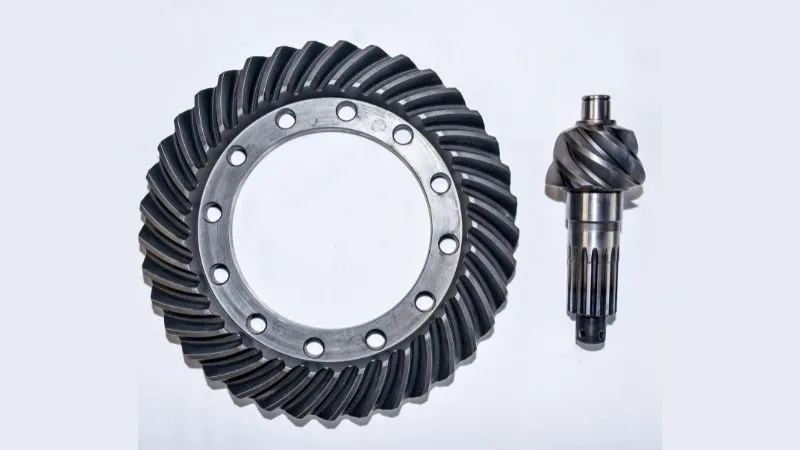
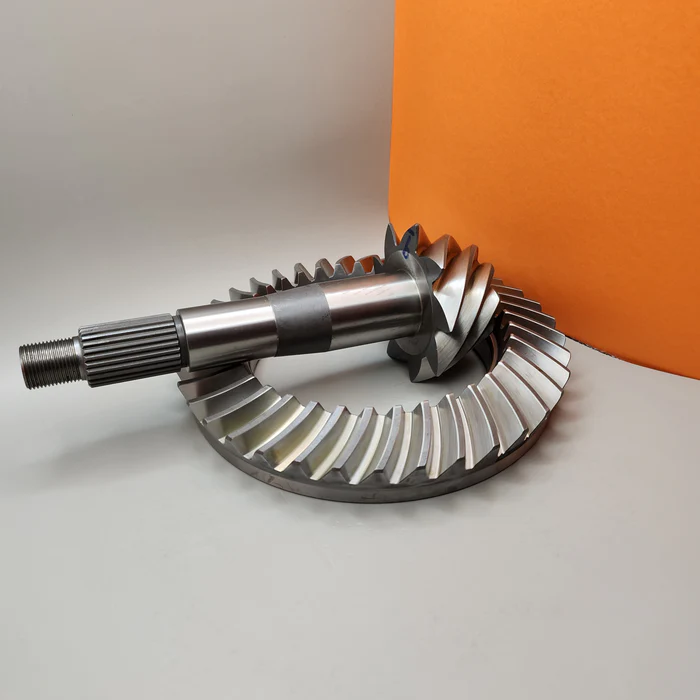
ring-and-pinion-noise

Quick Diagnosis Chart

This is the core of the article. Use it to match symptoms with likely causes and recommended actions.

Noise Type When It Happens Likely Cause Recommended Action
Whining (High-pitched)
During acceleration
Incorrect pinion depth or gear wear
Check gear contact pattern and reset pinion depth
Whining (Deceleration)
During coast/downhill
Improper backlash or worn gears
Adjust backlash and inspect tooth wear
Howling
At constant speed
Bearing preload issues or worn bearings
Inspect bearings and adjust preload
Clunking
When shifting (Drive/Reverse)
Excessive backlash or worn components
Measure backlash and inspect drivetrain slack
Grinding
Continuous, under load
Severe gear damage or broken teeth
Immediate inspection and gear replacement
Rumbling
Increasing with speed
Bearing failure
Replace carrier or pinion bearings
Clicking
During turns
Differential internal wear (not always gears)
Inspect differential case and side gears

How to Use This Diagnosis Chart

Start by identifying exactly when the noise occurs:
  • Under acceleration
  • During deceleration
  • At constant speed
  • While turning
  • When shifting
This timing is critical because ring and pinion gears behave differently depending on load direction. For example:
  • Noise under acceleration usually points to drive-side gear contact issues
  • Noise during deceleration often indicates coast-side misalignment

Once you match the condition, use the chart to narrow down the cause. From there, move to inspection or adjustment.

Common Noise Patterns Explained

Whining During Acceleration

This is one of the most common complaints. A high-pitched whine under load typically indicates:
  • Incorrect pinion depth
  • Improper gear mesh pattern
  • Early-stage gear wear

If the contact pattern is too deep or too shallow, the gear teeth will not engage properly, creating a consistent whining tone.

Whining During Deceleration

If the noise appears when lifting off the throttle, the issue shifts to the coast side of the gear teeth.

Typical causes include:
  • Backlash set too tight or too loose
  • Uneven wear between drive and coast sides

This often happens after improper installation or incomplete setup adjustments.

Constant-Speed Howling

A steady howling sound at cruising speed usually points to bearing-related issues, not just the gears themselves.

Possible causes:
  • Incorrect pinion bearing preload
  • Worn carrier bearings
  • Improper lubrication

Ignoring this can quickly escalate into full gear damage.

Clunking When Shifting

A noticeable “clunk” when engaging drive or reverse is typically not a gear mesh issue alone.

Instead, it often involves:
  • Excessive backlash
  • Worn universal joints or driveline slack
  • Differential clearance issues

However, if backlash is out of spec, it directly affects ring and pinion engagement.

Grinding Noise Under Load

Grinding is a critical warning sign. Unlike whining or howling, this indicates physical damage.

Common causes:
  • Broken or chipped gear teeth
  • Severe misalignment
  • Foreign debris inside the differential

At this stage, continued operation can destroy the entire gear set.

Rumbling That Increases With Speed

A low-frequency rumble that grows louder with speed is usually tied to bearing failure.

This includes:
  • Pitted bearings
  • Lack of lubrication
  • Overheating

This type of noise is often mistaken for tire noise, so careful diagnosis is required.

When Noise Means Gear Replacement

Not all differential or ring and pinion noise requires immediate replacement. Many issues can be resolved through proper adjustment or bearing service. However, there are clear warning signs indicating that the gear set has reached a point where replacement is necessary to prevent further damage and maintain drivetrain performance.

Key Indicators for Replacement

  1. Visible Gear Tooth Damage
    • Look for chipping, pitting, or deep scoring on ring or pinion teeth. Such damage compromises the gear mesh and cannot be corrected by adjustment alone.
  2. Persistent Noise After Proper Adjustment
    • If backlash, pinion depth, and bearing preload are correctly set, but whining, howling, or grinding noises continue, it usually means the gear surfaces are worn or damaged beyond repair.
  3. Metal Contamination in Differential Oil
    • Presence of metal particles in the oil is a strong sign of internal wear. Continued use without replacing the gears can quickly escalate to catastrophic failure.
  4. Severe Overheating or Discoloration
    • Burnt oil smell or blue discoloration on gear teeth indicates lubrication failure and possible permanent deformation of the gear surfaces.
For a complete step-by-step guide on replacing your ring and pinion gears, including safety tips and best practices, refer to our comprehensive guide:

Following this guide ensures that your drivetrain is properly restored, minimizing future noise and wear issues.

The Role of Proper Adjustment in Noise Prevention

A large percentage of noise issues originate not from manufacturing defects, but from incorrect setup.

Key parameters include:
  • Pinion depth
  • Backlash
  • Bearing preload
  • Contact pattern alignment
If any of these are outside specification, noise will develop—even with new gears.
For a detailed step-by-step adjustment process, refer to:

The Role of Proper Adjustment in Noise Prevention

One of the most overlooked causes of noise is incorrect preload.

If preload is:
  • Too loose → bearings move, causing vibration and noise
  • Too tight → excessive heat and premature wear
This directly affects gear alignment and long-term durability.
A deeper explanation of how preload impacts gear systems can be found here:

Diagnostic Workflow (Practical Approach)

A structured workflow helps technicians and enthusiasts quickly isolate ring and pinion noise issues while minimizing guesswork and unnecessary disassembly. Follow these steps for a thorough and methodical diagnosis:

Step 1: Identify Noise Type

Start by carefully listening to the noise and describing its characteristics:
  • Whine: High-pitched sound, often under acceleration or deceleration.
  • Howl: Steady, constant-pitch sound at cruising speed.
  • Clunk: Sudden, impactful noise when shifting gears or changing direction.
  • Grinding: Harsh, continuous sound under load, often indicating damage.
  • Rumble: Low-frequency vibration that increases with vehicle speed.
  • Clicking: Intermittent noise during turns, often from differential internals rather than gear teeth.

Recording or noting the noise type is critical because it narrows down possible causes and informs the inspection process.

Step 2: Determine Operating Condition

Next, observe when and how the noise occurs. Noise under different conditions points to different components:
  • Acceleration (drive-side load): Indicates potential issues on the drive side of the gear teeth or pinion depth misalignment.
  • Deceleration (coast-side load): Often caused by improper backlash or worn gear teeth on the coast side.
  • Constant Speed (steady howl): Usually linked to bearing preload, carrier bearings, or gear mesh issues.
  • Turning: Clicking or popping noises may originate from differential internal wear or side gears.
  • Shifting between Drive/Reverse: Clunking may indicate excessive backlash or slack in the driveline components.

Documenting the exact condition is essential for matching the noise to a probable cause.

Step 3: Match with Diagnosis Chart

Using the Quick Diagnosis Chart, locate the pattern that most closely matches your observations.
  • Compare both the type of noise and the operating condition.
  • This allows you to narrow down possible causes before touching any components.
  • The chart acts as a first-pass filter, preventing unnecessary teardown of the differential.

Step 4: Inspect Key Components

Once the noise type and operating condition are identified, perform a targeted inspection of critical components:

  1. Gear Contact Pattern
    • Check for proper pinion depth and contact pattern alignment.
    • Use gear marking compound to ensure teeth mesh correctly on both drive and coast sides.
  2. Bearings
    • Inspect pinion bearings and carrier bearings for wear, pitting, or damage.
    • Measure bearing preload to ensure it falls within specification.
  3. Backlash Measurement
    • Measure the clearance between ring and pinion teeth.
    • Excessive or insufficient backlash can cause whining, howling, or clunking noises.
  4. Lubrication Check
    • Inspect differential oil for metal particles, discoloration, or burnt smell.
    • Poor lubrication can accelerate wear and amplify noise.
  5. Driveline Components
    • Examine universal joints, driveshaft, and mounting hardware for looseness or excessive play, which may mimic gear noise.

Step 5: Decide Between Adjustment or Replacement

Based on your inspection findings, determine whether the issue can be resolved through adjustment or if replacement is necessary:

  • Adjustment:
    • Correct pinion depth, backlash, or bearing preload.
    • Realign gear contact patterns.
    • Often resolves whining or howling caused by setup errors.
  • Replacement:
    • Required if teeth are chipped, scored, or heavily worn.
    • Metal contamination or burnt oil indicates internal wear beyond repair.
    • Persistent noise after proper adjustment signals that replacement is needed.

Always follow manufacturer specifications and torque settings when making adjustments or installing new components to ensure long-term reliability.

Step 6: Document and Verify

  • Record all measurements, adjustments, and observations.
  • After completing repairs or adjustments, perform a test drive under the conditions that initially triggered the noise.
  • Confirm that the noise is resolved and that gear performance meets operational standards.

Final Thoughts

If you need a deeper understanding of all possible causes, including installation errors, lubrication issues, and long-term wear patterns, refer to the full guide:
Ring and pinion noise is not random—it is highly systematic. Each sound corresponds to a specific mechanical condition, and when interpreted correctly, it becomes a reliable diagnostic signal.
By combining a structured chart with targeted inspection, you can significantly reduce troubleshooting time and avoid unnecessary replacements. More importantly, early diagnosis prevents minor issues from escalating into major failures.

If you are sourcing high-quality crown wheel and pinion sets or need technical support, XJXPARTS is a direct manufacturer with consistent production standards. For inquiries or bulk orders, visit: https://www.xjxgears.com/contact-us/

Explore More

Get a Quote Now

    Business Type*

    Order Quantity (Select from dropdown)*

    *Your privacy will be 100% safe with us. Learn more details about the Terms & Conditions and Privacy Policy on this website.*
    Open chat
    Hello, Can we help you?