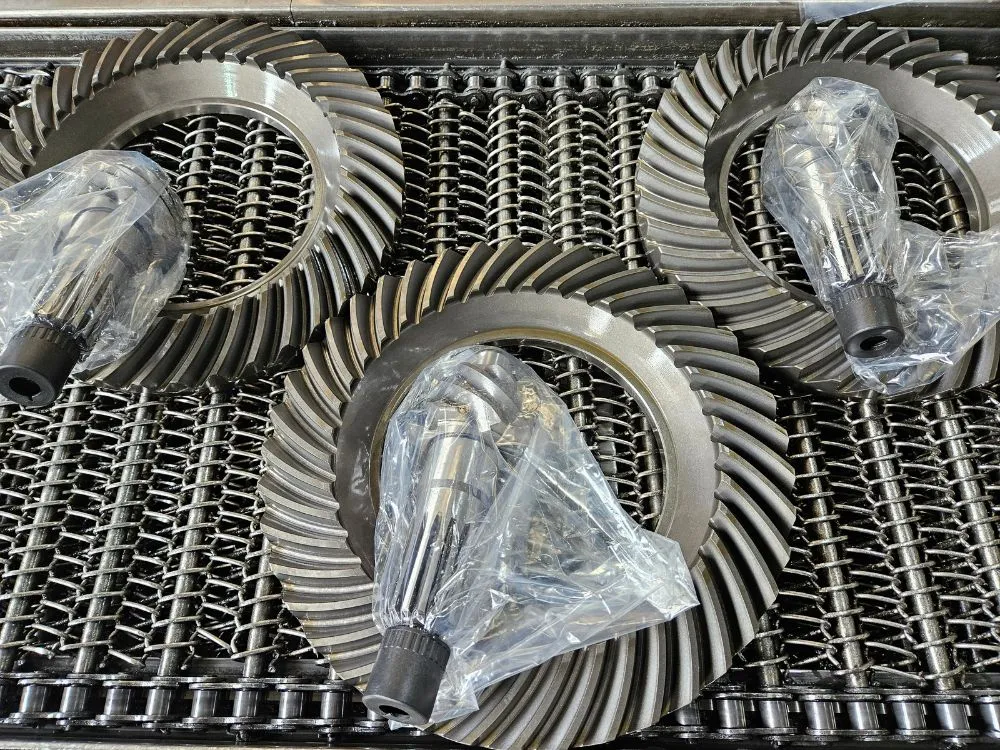
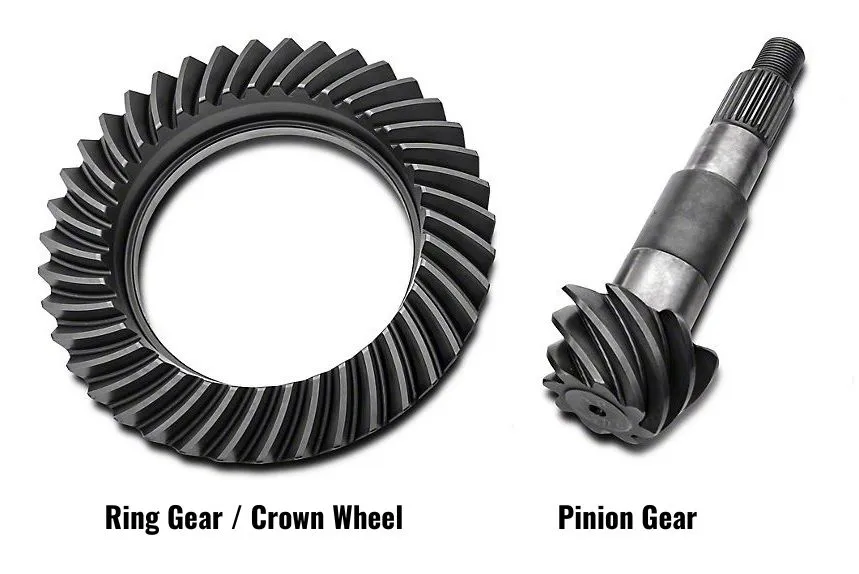
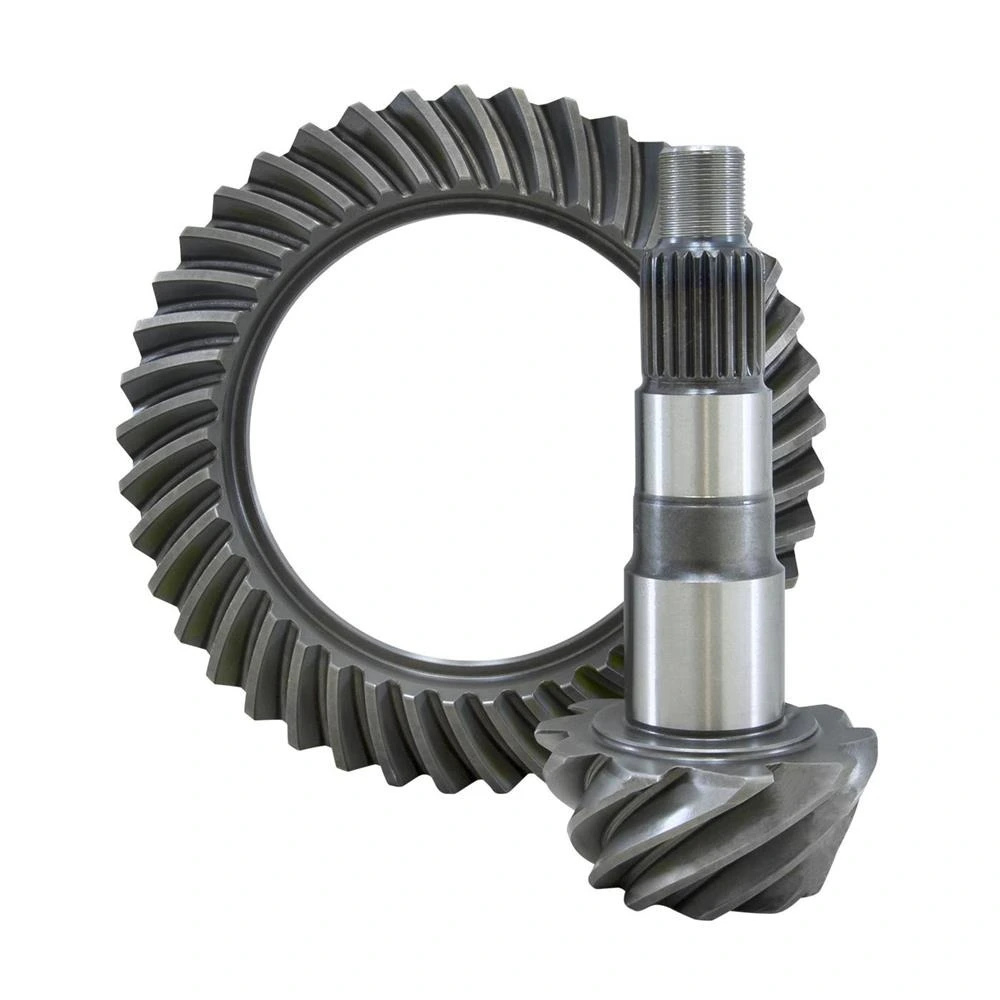
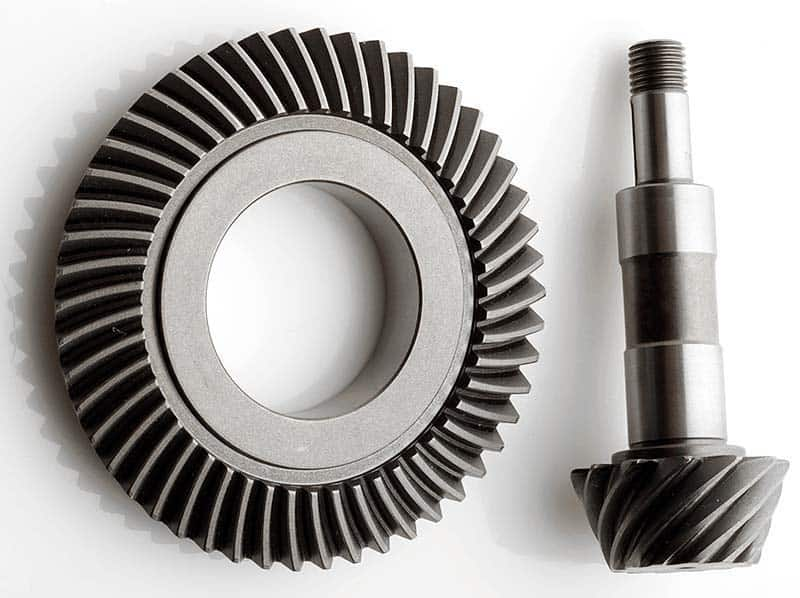
In the drivetrain industry, crown wheel and pinion sets are among the most technically demanding components. Their geometry, material properties, and manufacturing precision directly determine torque transmission efficiency, noise behavior, and service life. For distributors, wholesalers, and OEM buyers, choosing the right manufacturer is not just a purchasing decision—it is a strategic factor that affects long-term competitiveness.
This guide provides a detailed overview of leading crown pinion manufacturers, with a strong focus on comparative strengths, technical capabilities, and real-world suitability across different market segments.
What Defines a High-Quality Crown and Pinion Set?
A premium crown and pinion set is not defined by branding alone, but by engineering execution and process control. Key technical criteria include:
- Tooth geometry accuracy: Spiral bevel gear design must ensure optimal contact pattern and load distribution
- Heat treatment depth and consistency: Carburizing depth directly impacts fatigue resistance
- Material selection: Commonly 8620 steel for high-end applications; alternatives like 20CrMnTi for cost-performance balance
- Surface finishing: Lapping and grinding reduce noise and improve meshing smoothness
- Noise, vibration, and harshness (NVH) control: Critical for passenger vehicles and premium builds
For B2B buyers, these factors translate into fewer returns, better reputation, and higher customer retention.
Top Crown Pinion Manufacturers Worldwide
Yukon Gear & Axle
Core Advantages:
- Extensive product coverage across Jeep, Ford, GM, and Toyota platforms
- Strong presence in off-road and performance markets
- Consistent availability through global distribution channels
- Reliable balance between cost and durability
Technical Perspective:
Yukon gear sets are typically manufactured using 8620 steel and undergo controlled heat treatment processes. Their products are designed to deliver dependable performance under demanding conditions, particularly in off-road environments.
Best Fit:
Off-road builds, Performance upgrades, Aftermarket distributors
XJXParts
Core Advantages:
- Strong price-performance ratio for bulk orders
- Standard use of 20CrMnTi material, ensuring durability with cost efficiency
- Optional upgrade to 8620 steel for higher-end applications
- Capability to produce equal-height tooth (constant-depth) crown and pinion sets
- Flexible OEM/ODM support, including customization and branding
Technical Perspective:
The availability of equal-height tooth designs reduces stress concentration and improves overall durability, especially under heavy load and off-road conditions. Controlled machining and heat treatment ensure consistent quality across large production batches.
Best Fit:
Importers and wholesalers, Private-label brands, Cost-sensitive but quality-focused markets
Eaton
Core Advantages:
- Strong integration with differential and locker systems
- Proven durability under high torque conditions
- Consistent manufacturing standards
Technical Perspective:
Eaton’s crown and pinion sets perform reliably with locking differentials. Focus is on durability, load handling, and long-term stability.
Best Fit:
Heavy-duty applications, Integrated drivetrain solutions, Buyers prioritizing reliability
Dana Incorporated (Spicer)
Core Advantages:
- OEM-level engineering and validation
- Extensive compatibility across vehicle models
- Strong reputation in both OEM and aftermarket sectors
Technical Perspective:
Dana gear sets are designed with strict tolerances and extensive testing. Known for consistent contact patterns, low noise, and long service life.
Best Fit:
OEM replacement parts, Fleet maintenance, High-reliability applications
Motive Gear
Core Advantages:
- Focus on high-performance gear ratios
- Competitive pricing structure
- Broad application coverage
Technical Perspective:
Designed for performance applications where torque delivery and responsiveness are critical. Maintains acceptable durability for daily and off-road use.
Best Fit:
Racing and performance builds, Modified vehicles, Enthusiast markets
Nitro Gear & Axle
Core Advantages:
- Good balance between price and quality
- Expanding global distribution network
- Wide range of applications
Technical Perspective:
Delivers consistent quality with modern manufacturing processes. Offers solid reliability for most applications.
Best Fit:
General aftermarket use, Distributors seeking competitive alternatives, Mid-range product positioning
How to Evaluate Crown Pinion Suppliers
Selecting the right supplier requires a structured, technical evaluation rather than relying on brand recognition alone.
1. Gear Manufacturing Technology
A qualified manufacturer should demonstrate:
- Use of Gleason or Klingelnberg gear cutting systems
- Controlled gear lapping processes
- Capability for both rough cutting and finish grinding
These determine the accuracy of tooth geometry and overall gear performance.
2. Heat Treatment Expertise
Heat treatment is one of the most critical processes in gear production. Evaluate:
- Carburizing depth consistency
- Hardness range (typically 58–62 HRC for surface)
- Core toughness to prevent brittle failure
Inconsistent heat treatment is a leading cause of premature gear failure.
3. Material Selection Flexibility
Top suppliers offer multiple material options:
- 20CrMnTi for cost-effective durability
- 8620 steel for high-performance and heavy-load applications
The ability to choose materials allows buyers to align products with different market segments.
4. Tooth Design Options
Advanced suppliers provide:
- Standard tapered tooth designs
- Equal-height tooth (constant-depth) gears, offering improved load distribution
This is a key differentiator for performance and heavy-duty use cases.
5. Quality Control and Testing
- Contact pattern inspection under load
- Noise testing (NVH evaluation)
- Dimensional inspection using coordinate measuring machines (CMM)
Certifications such as ISO 9001 or IATF 16949 indicate structured quality management systems.
6. Sample Validation Process
- Request samples from multiple suppliers
- Conduct real-world testing (noise, wear, fitment)
- Compare performance under identical conditions
This step is essential for minimizing procurement risk.
7. Commercial and Supply Chain Factors
- Lead times and production capacity
- Communication efficiency
- Export experience and logistics handling
Reliable supply is just as important as product quality.
OEM vs Aftermarket Manufacturers: Key Differences
Understanding supplier positioning helps refine sourcing strategy.
- OEM Manufacturers: Focus on consistency and strict specifications, typically higher cost, limited flexibility
- Aftermarket Manufacturers: Broader product range, more competitive pricing, greater customization options
For most B2B buyers, a hybrid sourcing strategy—combining OEM-level quality with aftermarket flexibility—offers the best balance.
Common Mistakes When Choosing a Manufacturer
- Selecting suppliers based solely on price
- Ignoring material specifications
- Overlooking gear design differences
- Skipping sample validation
- Underestimating logistics and lead time risks
Each of these can lead to costly downstream issues.
Final Thoughts
The global crown pinion market offers a wide spectrum of manufacturers, from high-end OEM suppliers to competitive export-oriented factories. A structured evaluation—focused on manufacturing capability, material quality, and real-world testing—remains the most effective way to secure long-term value.
For factory-direct crown wheel and pinion solutions with flexible material options and bulk supply capability, XJXPARTS supports global partners with consistent production and customization. Contact us: https://www.xjxgears.com/contact-us/