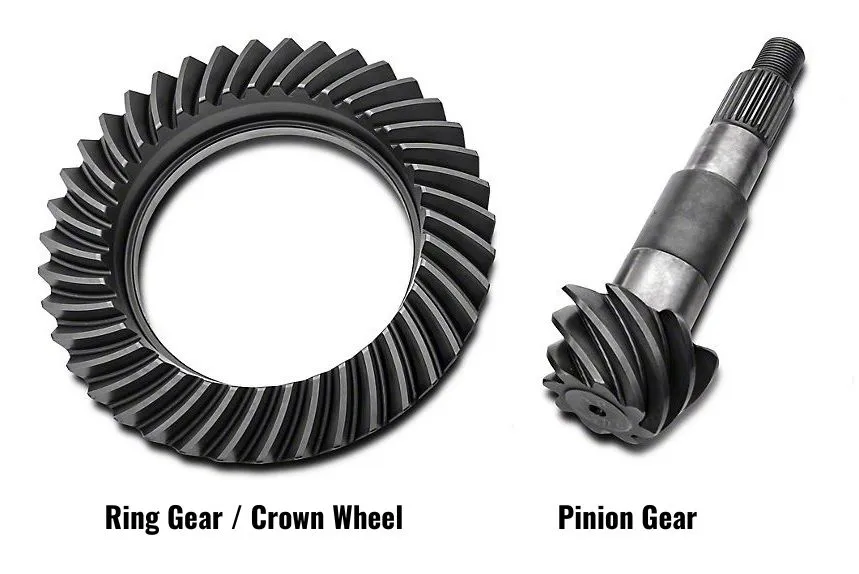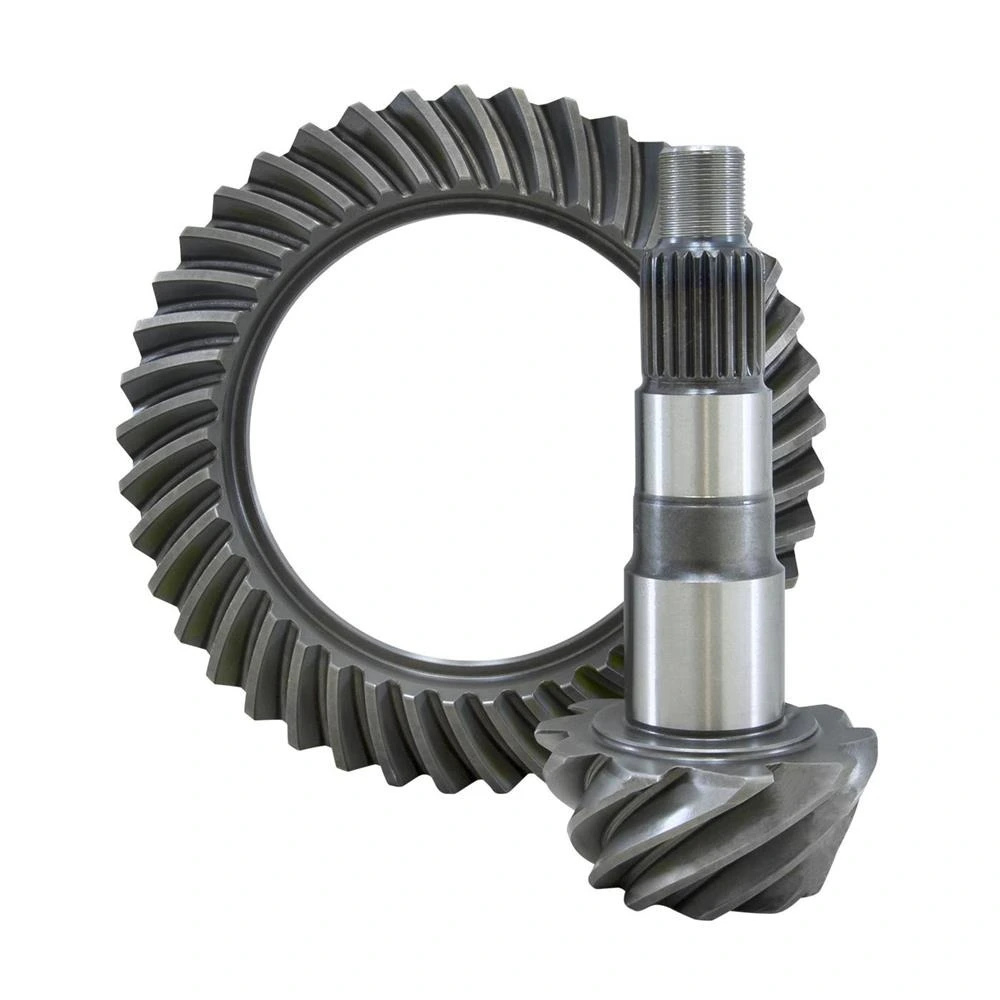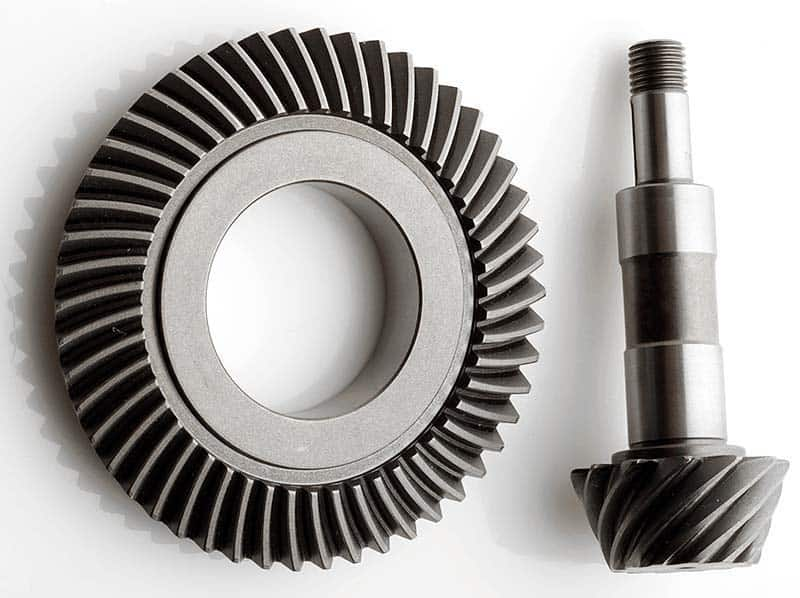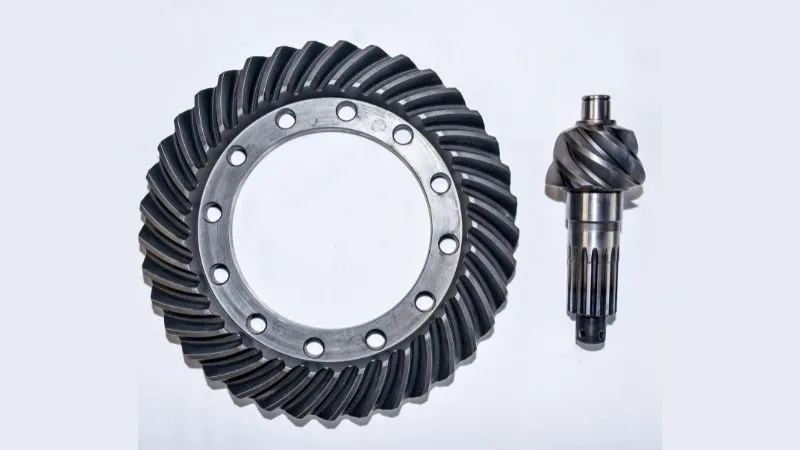
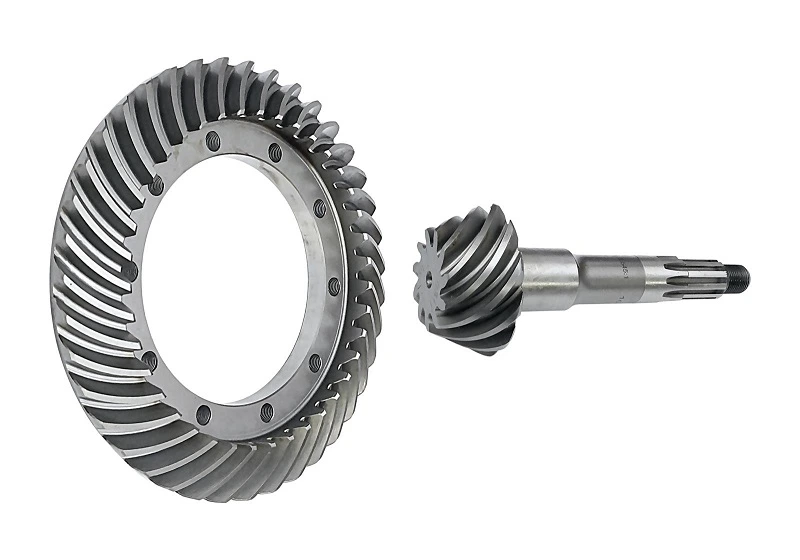
Understanding Ring and Pinion Gears
Gear Ratio and Performance
Signs That Ring and Pinion Gears Need Replacement
1. Unusual Noises from the Differential
- Whining or Howling: Often heard during acceleration or at specific speeds, a high-pitched whining indicates that the gear teeth may be worn or improperly aligned.
- Clunking or Clicking: Sharp clunks or rhythmic clicks when shifting gears or accelerating can suggest chipped teeth or loose components.
- Grinding: Persistent grinding noises typically indicate severe wear, insufficient lubrication, or damaged bearings.
Noise often precedes visible damage, so early attention can prevent further deterioration.
2. Excessive Vibration or Shuddering
3. Leaking or Contaminated Gear Oil
- Oil Leaks: Leaks from seals or the differential cover can reduce lubrication, causing accelerated gear and bearing wear.
- Contaminated Oil: Metal shavings or sludge in the gear oil are clear signs of gear degradation. Regular oil inspection can reveal early damage before it becomes critical.
Maintaining proper lubrication is one of the simplest ways to extend gear life and detect problems early.
4. Difficulty in Vehicle Handling
Damaged or worn gears can subtly affect how a vehicle handles. Drivers may notice:
- Inconsistent Traction: One wheel may spin faster than the other, indicating uneven power transfer.
- Resistance During Turns: A binding or stiff feel when cornering can suggest misaligned gears or worn differential components.
- Sudden Loss of Power to Wheels: Severe gear damage can intermittently interrupt power transfer, reducing control and performance.
Handling issues should never be ignored, as they not only impact performance but can also compromise safety.
5. Increased Heat and Gear Wear
- A burning smell near the rear axle
- Discoloration or scoring on the gear teeth (visible if the differential is opened)
- Rapid degradation of gear oil due to overheating
Regular inspections during routine maintenance can detect heat-related issues early, saving time and cost.
Preparing for Replacement
Before replacing ring and pinion gears, proper preparation is essential. This includes gathering the correct tools, replacement parts, and understanding the vehicle’s specifications.
Required Tools and Equipment
- Gear marking compound to verify proper gear contact pattern
- Torque wrenches for accurate tightening
- Bearing pullers and press tools
- Dial indicators to measure backlash
- Differential cover gasket or sealant
Selecting Replacement Gears
- OEM vs. Aftermarket: OEM gears guarantee compatibility, while quality aftermarket options can offer improved performance or specialized ratios.
- Material and Finish: Forged steel or hardened gears with precise tooth machining ensure longevity and smoother operation.
- Customization: Some vehicles may benefit from custom gear ratios or specialized designs for heavy-duty applications.
Professional advice or consulting a trusted supplier can help ensure that the correct gear set is chosen for specific vehicle requirements.
The Replacement Process
Step 1: Remove the Differential
Step 2: Remove Old Gears
Step 3: Install Pinion Gear
Step 4: Install Ring Gear
Step 5: Reassemble and Test
Maintenance Tips After Replacement
Proper maintenance after a ring and pinion gear replacement is essential to ensure long-term performance and durability. Even with high-quality gears, incorrect setup or poor maintenance can quickly lead to premature wear or failure.
- Ensure Correct Preload: Pinion bearing preload plays a critical role in gear longevity. Improper preload can lead to excessive heat, bearing damage, and gear misalignment. For a deeper understanding of how this affects gear performance, refer to this guide:
- Regular Oil Changes: Always use high-quality gear oil and follow recommended service intervals. Clean lubrication reduces friction and prevents overheating.
- Monitor for Noise: Pay close attention to any new or unusual sounds. Early-stage whining or humming can indicate setup issues such as incorrect backlash or preload.
- Avoid Overloading: Excessive towing or overloading increases stress on the gear set, accelerating wear and reducing lifespan.
- Periodic Inspections: Regularly inspect for leaks, vibration, and abnormal wear patterns to catch potential issues early.
Common Challenges and Considerations
Replacing ring and pinion gears involves several technical challenges that require precision and experience. Even small setup errors can significantly impact performance, noise levels, and gear lifespan.
- Precise Alignment: Accurate positioning of the ring and pinion gears is critical. Misalignment can lead to uneven tooth contact, resulting in noise and accelerated wear.
- Backlash Adjustment: Setting the correct backlash is essential for proper gear meshing. Too tight can cause overheating, while too loose may lead to impact loading and noise.
- Pinion Depth and Preload: Incorrect pinion depth or bearing preload can drastically affect the contact pattern and overall durability of the gear set.
- Contact Pattern Verification: Using marking compound to check the gear tooth contact pattern is a key step that should never be skipped. It ensures that load is distributed evenly across the gear teeth.
For those who want a more detailed, step-by-step understanding of how to properly set backlash, pinion depth, and contact patterns, you can refer to this guide:

Due to the level of precision required, improper setup remains one of the most common causes of gear noise and premature failure. This is why many professionals emphasize careful measurement and repeated verification during installation.
Conclusion
Ring and pinion gear replacement is a detailed and technical process that requires careful planning, precision, and quality components. Understanding the function of these gears, recognizing signs of wear, and following proper installation procedures ensures that a vehicle maintains optimal performance, safety, and efficiency. Whether performing a replacement for routine maintenance or upgrading for improved performance, attention to detail is essential.
For reliable, high-quality ring and pinion gears, XJX Parts provides factory-direct products. If you need assistance or wish to source gears, feel free to contact us here.