Quick Diagnostic Summary
- ⚠️ Primary Symptom: High-pitched whining during acceleration or rhythmic metallic clunking.
- 🚨 Severity: Critical – Prolonged driving may cause a total differential lock-up.
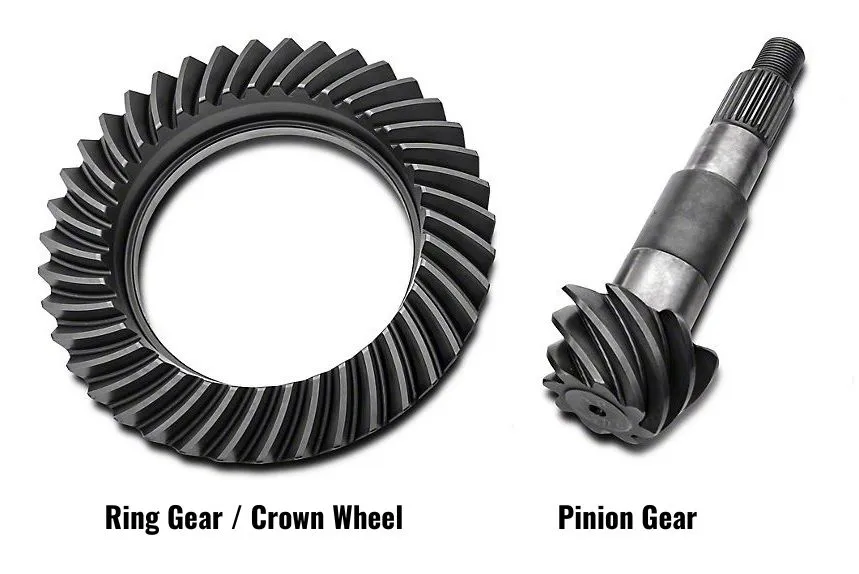
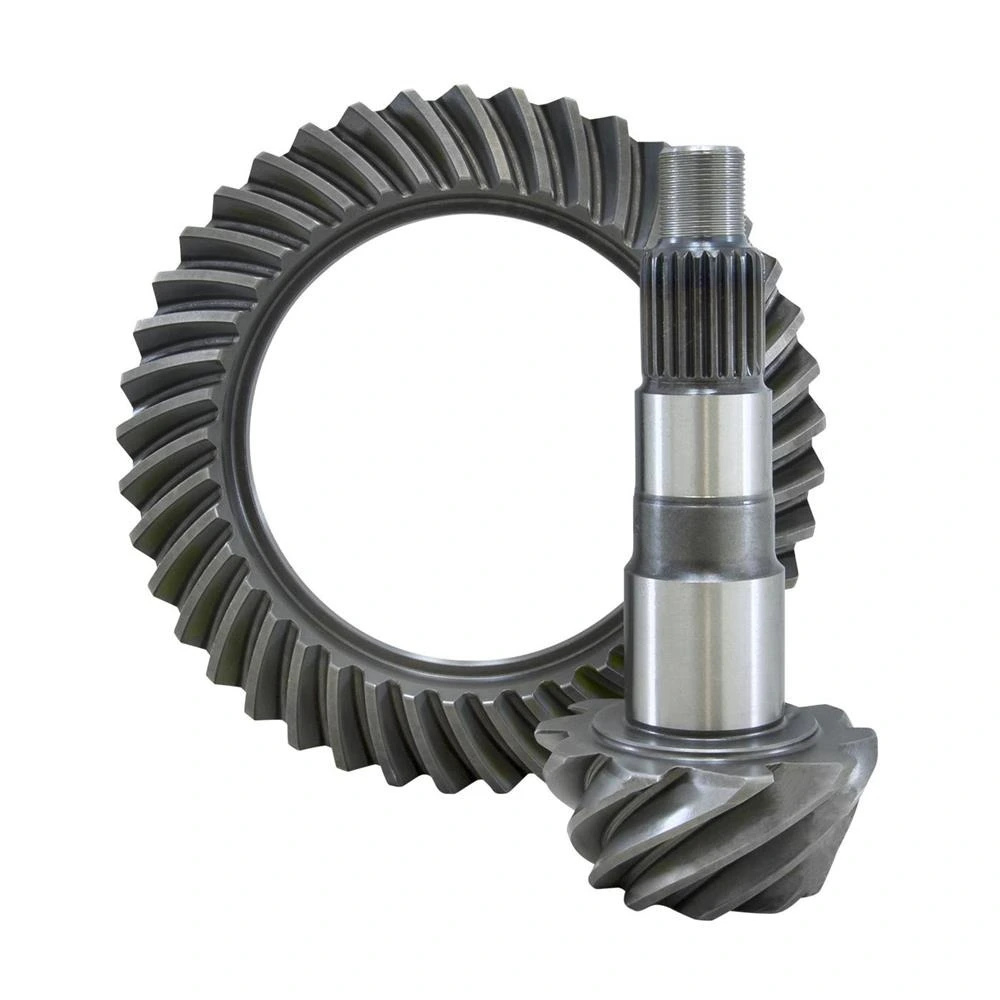
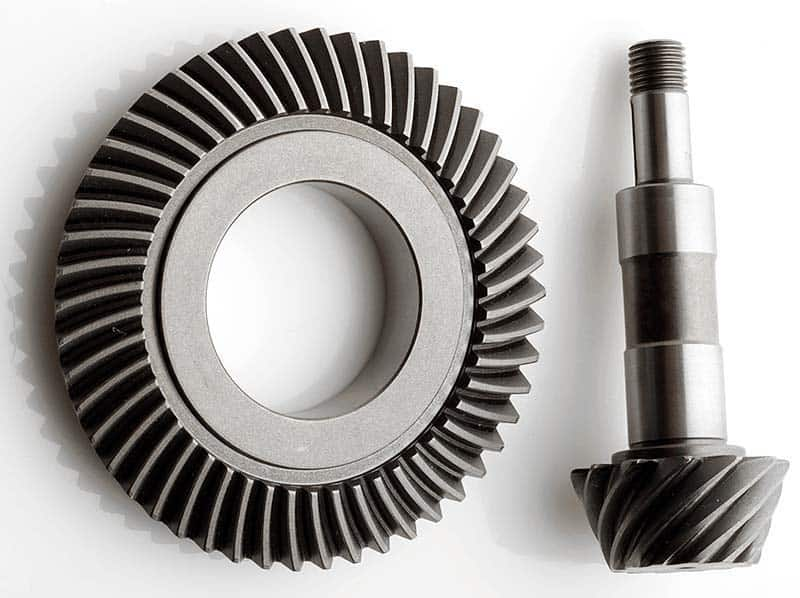
- 🛠️ Best Solution: Replace the Ring and Pinion as a matched set to ensure proper gear mesh and longevity.

What Is a Pinion Gear?
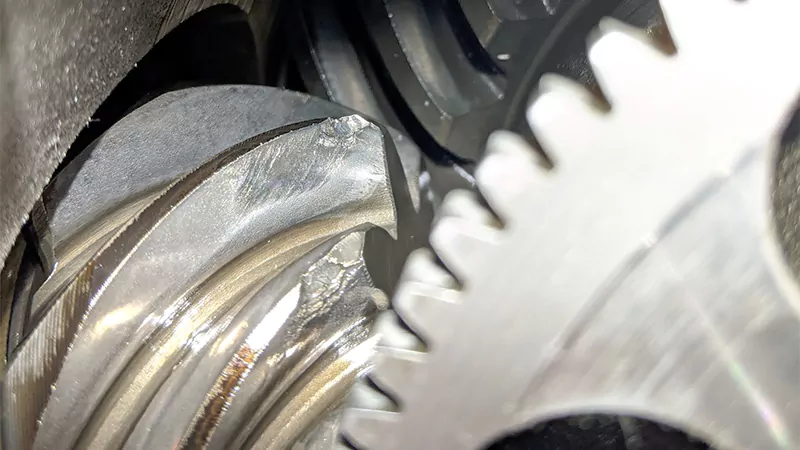
What Does “Chipped Pinion Gear” Mean?
5 Warning Symptoms of a Chipped Pinion Gear
Here are the most noticeable symptoms of a chipped pinion gear:
Whining or grinding noises: A high-pitched whine, especially while accelerating or decelerating, often means that the gears aren’t engaging properly.
Clunking or popping sounds: As the gears slip or fail to engage evenly, you may hear irregular metallic noises from the rear axle.
Vibration or shuddering: Damaged gear teeth create imbalance, leading to vibration that can be felt through the floor or steering wheel.
Reduced performance: You may notice hesitation, jerking, or a loss of smooth acceleration.
Leaking differential fluid: In some cases, a damaged pinion gear may also damage the oil seal, leading to leaks under your car.
Common Causes of Pinion Gear Tooth Damage
A chipped pinion gear can result from many different issues, and understanding the cause is key to avoiding future problems:
Insufficient lubrication: Differential oil lubricates the gears to reduce friction and wear. If the oil level is low or the fluid is old and dirty, the gear teeth may overheat and become brittle, making them more likely to chip.
Excessive load or towing: Carrying heavy cargo or towing beyond your vehicle’s rated capacity puts additional stress on the gears, especially during acceleration or uphill driving.
Aggressive driving habits: Quick starts, sudden stops, and hard cornering can put tremendous torque on the differential gears, increasing the risk of gear tooth failure.
Off-road driving or rough terrain: Sharp impacts or wheel hop on uneven surfaces can cause the gears to misalign or slam into each other with high force.
Material fatigue and age: Over time, gears wear down from regular use. Metal fatigue weakens the teeth, and eventually they can break off — especially in older or high-mileage vehicles.
Expert Manufacturing Insight:
"When replacing differential gears, always look for 20CrMnTi alloy steel components. At XJXGEARS, we've found that high-quality carburizing heat treatment is essential to enhance surface hardness while maintaining core toughness—this is the only way to prevent future chipping under high-torque or heavy-load conditions."
Can You Drive With a Chipped Pinion Gear?
Technically, your car may still drive with a chipped pinion gear — but that doesn’t mean you should. In fact, driving with a chipped gear is risky and dangerous. The uneven contact between damaged gear teeth can lead to further breakage, noise, and vibration. Worse, if a piece of chipped metal lodges in the differential, it can cause the entire unit to seize up. In extreme cases, this could lead to a total drivetrain failure, loss of control, or expensive repairs involving the entire axle assembly. It’s always best to stop driving and have the issue inspected by a mechanic as soon as possible.
Step-by-Step Guide: How to Replace a Chipped Pinion Gear
- Remove the differential cover to access the gears.
- Inspect the gear teeth on both the pinion and ring gear for damage.
- Replace the pinion gear, and in most cases, the ring gear too — they are matched in pairs and should wear together.
- Replace bearings and seals as needed.
- Clean out any metal shavings or debris in the housing.
- Refill with fresh differential oil using the correct type and quantity for your vehicle.
How to Prevent Chipped Pinion Gears
- Check and replace differential oil regularly, especially if your car sees hard use or off-road driving.
- Avoid overloading your vehicle beyond manufacturer specifications.
- Drive smoothly, and avoid aggressive acceleration or hard impacts on rough roads.
- Inspect drivetrain components during regular service, especially if you hear strange noises or feel vibrations.
- Use high-quality parts if you modify or upgrade your differential — low-quality gears may fail sooner.
Conclusion
A chipped pinion gear might start with just a strange noise or minor vibration, but if ignored, it can lead to serious damage and expensive repairs. If you notice any symptoms — like whining sounds, rough handling, or oil leaks — it’s time to check your differential. Fixing a chipped pinion gear early can save you time, money, and prevent a complete drivetrain failure. Stay proactive, drive responsibly, and keep your differential healthy with proper care and maintenance.